
Asian Rhinoplasty in Korea: Bulbous, Flat, Short & Hawk Nose Correction Guide
Anatomical guide to Korean rhinoplasty by nose shape: surgical methods, silicone vs. cartilage scaffolds, ideal male and female proportions, verified Seoul surgeons, and 2026 prices.
Key takeaways
- Structure Beats Simple Reduction: Thick Asian tip skin looks rounder if cartilage is merely trimmed; Seoul surgeons project and bind the tip with septal or rib cartilage first.
- Hawk Nose Needs 3D Balance: Smoothing a dorsal hump cleanly typically pairs hump reduction with lateral osteotomy narrowing, spreader airway grafts, and minor tip rotation.
- Proportion Targets Vary by Gender: Female profiles usually aim for a soft 95 to 105 degree nasolabial angle (jik-ban-beoseon), while male profiles maintain a crisp 90 to 95 degree straight bridge.
- Thick Skin Deswells Slower: Bulbous tip refinement shows immediate outline change at Week 2 but reveals its final sharp contour across 6 to 12 months.
- 2026 Price Range: Specialized Asian, bulbous, hawk, or short-nose surgery in Gangnam ranges from $3,500 to $11,000 USD depending on rib grafting.
South Korea leads global Asian and structural rhinoplasty because Seoul surgeons adapt surgical engineering to each nose’s unique skin thickness, cartilage strength, and bone width rather than forcing one mold. Whether you want to refine a thick bulbous tip (bok-ko), elevate a flat low radix bridge, smooth a dorsal hawk nose hump, lengthen an upturned short nose, or narrow flared nostrils, selecting the right cartilage scaffold prevents tip drooping and skin thinning years later.
Across accredited Gangnam clinics in 2026, specialized Asian, bulbous, hawk, or flat nose correction ranges from $3,500 to $9,500 USD (KRW 4,800,000 to 13,000,000) depending on osteotomy and cartilage graft needs, requiring 7 to 10 days in Seoul. Use this anatomical guide alongside our Korea rhinoplasty pillar guide before comparing hospital quotes.
Why Asian & Structural Nose Shapes Require Specialized Surgical Planning
Many Western rhinoplasty techniques rely heavily on removing bone and cutting cartilage smaller. While reduction works well on thin skin over large nasal cartilage, applying aggressive reduction alone to East or Southeast Asian noses often causes the heavy overlying skin to collapse inward, making the tip look rounder and wider after swelling fades.
In contrast, experienced Gangnam rhinoplasty surgeons combine conservative soft-tissue thinning with rigid structural augmentation at the tip base. Building an internal columellar strut or septal extension pillar gently pushes thicker skin forward, creating natural tip definition, clean shadows under overhead light, and durable nasal patency.
5 Core Nose Concerns Treated in Seoul: Techniques, Cartilage & Costs
Different nasal shapes demand fundamentally different surgical tools. Review how Seoul plastic surgeons approach the five most common anatomical requests below.
| Nose Type | Underlying Anatomical Cause | Korean Surgical Technique | Preferred Material / Graft | 2026 Seoul Cost (USD) |
|---|---|---|---|---|
| Bulbous Nose (Bok-ko) | Wide lower lateral cartilages, thick sebaceous tip skin, dense fibrofatty pad | Selective SMAS/subcutaneous fat thinning + transdomal tip tying + septal extension graft | Septal + ear cartilage (rib if very weak tip) | $3,600 to $6,800 |
| Flat Nose / Low Bridge | Shallow nasal bones between eyes (radix), low dorsal projection, soft tip | Subperiosteal dorsal elevation + layered cartilage tip support | Custom silicone or fascia bridge + septal/ear tip | $3,250 to $6,500 |
| Hawk Nose / Dorsal Hump | Prominent bony-cartilaginous dorsal convexity, drooping tip on smiling | Precision hump rasp/osteotomy + lateral bone narrowing + upward tip rotation | Minimal/no dorsal implant + spreader & tip grafts | $4,000 to $8,500 |
| Short / Upturned Piggy Nose | Short septal length, tight nasal ligaments, excess nostril show from front | Complete dorsal ligament release + caudal septal extension lengthening | Strong septal or autologous rib cartilage | $5,500 to $11,000 |
| Wide / Flared Nostrils (Alarplasty) | Excess lateral alar flare or wide nostril floor beyond inner eye width | Internal sill cinching (hidden scar) or external Weir wedge reduction | No implant; often paired with tip work | $1,100 to $2,050 (standalone) |
Combining Rhinoplasty With Double Eyelids or Chin & Contouring Surgery
Because facial profile harmony depends on relationships among the forehead, nasal radix, upper lip, and chin projection, many patients evaluate combining rhinoplasty with double eyelid surgery or subtle chin augmentation in a single visit. A mildly recessed chin often makes a completely normal nose look disproportionately large on side profile; balancing chin projection slightly allows your rhinoplasty surgeon to sculpt a softer, more natural nasal height rather than over-building the bridge.
Correcting Nasal Crookedness & Septal Breathing Obstruction Together
Patients requesting bulbous or hawk-nose corrections often have undetected C-shaped or S-shaped septal curvature deep inside the airway. Korean dual-board plastic and ENT teams perform internal septoplasty alongside cosmetic pyramid straightening so both sides of your nose track cleanly down the facial midline instead of drifting back toward the deviated side months after facial balancing.
Bulbous Nose Correction (Bok-ko): Fixing Wide Tips Without Scar Collapse
Bulbous nose rhinoplasty is one of Seoul’s signature sub-specialties because thick sebaceous tip skin resists sharp definition unless supported from underneath. Instead of simply pinching or resecting wide alar cartilages aggressively (which creates pinched valves and breathing obstruction), Korean surgeons balance three coordinated steps:
- Controlled subcutaneous debulking: Careful excision of excessive fat and fibrous tissue just beneath the dermis without damaging dermal blood supply.
- Suture dome binding: Repositioning splayed lower lateral cartilages closer together along the midline to narrow the tip width naturally.
- Septal extension projection: Anchoring an extension graft onto the nasal septum to stretch thicker skin slightly forward so the rounded tip transforms into a subtle triangular contour.
Skin-Type Reality Check: Thin vs. Medium vs. Sebaceous Thick Skin
Your dermal thickness limits how sharply any nose tip can be sculpted safely. Patients with thin skin show every millimeter of underlying cartilage carving immediately after swelling drops, so Seoul surgeons frequently drape soft ear perichondrium or deep temporal fascia over tip grafts to prevent sharp edges from showing through years later. By contrast, patients with thick oily sebaceous skin require high-projection septal or rib grafts to push soft tissue gently outward, plus realistic patience over a 9 to 15 month healing window while dense collagen pockets contract smoothly.
Hawk Nose & Dorsal Hump Surgery: Balancing Bony Width & Tip Droop
A hawk nose combines a protruding dorsal bridge hump with a downward-pointing nasal tip that exaggerates a hooked profile when speaking or smiling. Treating the hump alone leaves the upper bridge looking overly wide from the front (an open-roof deformity) and fails to fix the drooping tip.
To resolve both issues permanently, Korean clinics typically perform precise rasping or controlled osteotomy to flatten the hump, in-fracture lateral nasal bones inward for a clean narrow bridge line, place bilateral spreader grafts to preserve internal nasal valve airflow, and elevate the drooping tip slightly upward. Because dorsal height already exists in most hawk noses, implant-free techniques using your own cartilage are widely favored at centers like AB Plastic Surgery, The PRIDE Plastic Surgery, and Gangnam Seoyon Plastic Surgery.
Flat Bridge, Short Nose & Alarplasty Proportions (Male vs. Female Angles)
Harmonious Korean nose planning always anchors bridge starting point and nostril ratio to your eyes, lips, and chin rather than copying a celebrity nose onto a mismatched face. Notice how target surgical proportions shift by gender below:
| Proportional Landmark | Female Ideal Profile (Korean Standard) | Male Ideal Profile (Korean Standard) |
|---|---|---|
| Bridge Starting Point (Radix) | Slightly lower, level with mid-upper pupil crease for softer femininity | Higher, closer to upper eyelid crease / brow transition for stronger frame |
| Dorsal Bridge Contour | Subtle gentle slope (jik-ban-beoseon) or soft straight line | Clean, straight bridge (jik-seon) with zero mid-bridge dip |
| Nasolabial Tip Angle | 95 to 105 degrees (mild upward definition without visible nostril hole) | 90 to 95 degrees (firm right angle; avoids upturned shortened look) |
| Alar Base Nostril Width | Aligns closely with vertical lines dropped from inner eye corners (medial canthus) | Matches or sits 1 to 2 mm wider than inner eye corners to retain masculine strength |
Patients seeking gentle dorsal bridge elevation without permanent incisions sometimes ask about liquid nose filler or Hiko nose threads, though these cannot narrow bulbous skin or reduce bony humps structurally.
Flat Radix Elevation & Short Nose Lengthening (Derotation)
When the nasal bridge starts very low between the eyes, a flat radix makes the eyes look farther apart and shortens mid-face vertical balance. Korean surgeons carefully design where the dorsal curve begins relative to your upper lash line rather than pulling the bridge up to the brow bone, preserving a natural forehead-to-nose transition. For congenital short or upturned piggy noses showing excessive nostrils head-on, full release of the scroll and hinge ligaments paired with a stiff caudal septal extension or autologous rib framework pushes the nasal tip downward without bouncing back upward.
Alarplasty Guide: Internal Sill Cinching vs. External Weir Excision
Nostril reduction (alarplasty) is tailored tightly to whether your nostril width extends beyond vertical lines drawn down from your inner eye corners, and whether your nostril floor looks wide versus thick lateral flaring. Internal nostril-floor excision hides tiny stitches discreetly inside the nasal base to pull wide floors inward with minimal exterior marks. External Weir wedge resection trims curved outer alar wall flare precisely along the natural cheek junction. Removing excessive tissue in either location risks permanent notched nostrils or over-tight air intake, making conservative 1.5 to 3 mm symmetric planning essential.
Choosing Safe Cartilage & Implants for Thick vs. Thin Skin
Skin thickness dictates implant visibility over the next 10 to 20 years. Patients with thicker, oilier skin often tolerate small carved medical silicone smoothly over the nasal bone while relying strictly on septal or rib cartilage at the tip. Conversely, patients with very thin, translucent nasal skin risk visible implant borders years later and often benefit from fascia wrapping or 100% autologous cartilage outlined in our silicone vs. cartilage materials comparison.
4 Surgical Rules That Prevent Late Tip Drooping or Extrusion
- Never load synthetic silicone into the mobile nasal tip: Only pliable septal, ear, or sculpted rib cartilage absorbs daily facial movement safely.
- Verify central bridge carving accuracy: Custom silicone carved smoothly over bone contours prevents visible lateral ridge steps under flash lighting.
- Use laminated rib slicing for thick skin or revisions: Balancing inner rib core tension lowers post-op warping risk while maintaining steady projection.
- Pair bridge elevation with airway checkups: Never raise or narrow an external pyramid without preserving healthy internal nasal valve angles.
Open vs. Closed Surgical Access for Bulbous & Hawk Noses
Whether your surgeon uses an open transcolumellar incision or closed endonasal incision hinges on tip sculpting precision and bony manipulation needs. Nearly all complex bulbous tip refinements, short-nose derotations, asymmetric osteotomies, and autologous rib frameworks rely on open visibility across a small inverted-V incision beneath the columella so bilateral dome sutures align cleanly to the millimeter under direct light. Conversely, simple flat-bridge augmentation in balanced tip anatomy may qualify for scarless closed endonasal pockets, avoiding exterior marks while preserving soft tissue planes.
Unsure which nose shape category fits your anatomy? Share your front and 45-degree photos with BeautsGO so verified Seoul specialists can advise on cartilage options and itemized 2026 costs before you travel.
Verified Seoul Specialists for Asian, Bulbous, Hawk & Alar Rhinoplasty
When reviewing clinics across Seoul, match your primary nasal deformity to experienced board-certified specialists inside BeautsGO’s verified hospital roster:
- AB Plastic Surgery (Dr. Ahn Seung-Hyeon, 20 yrs): Known for high-precision 3D hawk nose correction, bulbous tip narrowing, and facial bone contour proportion matching.
- Faceline Plastic Surgery: Balances rhinoplasty closely alongside V-Line jaw and mid-face profile symmetry.
- Geurim Plastic Surgery (Dr. Gu Sang Hwan, 30 yrs): Extensive experience with philtrum, lip-to-nose harmony, alar symmetry, and scar-sensitive reconstruction.
- Pitangui Plastic Surgery (Dr. Jea Sung Yoo, 30 yrs): Three decades handling primary Asian bridge elevation, functional tip support, and revision rhinoplasty.
- The PRIDE Plastic Surgery (Dr. Yi Tae Min, 20 yrs) & Gangnam Seoyon Plastic Surgery (Dr. Dongil Choi, 20 yrs): Strong options for short nose lengthening and functional structural revisions.
Recovery Timeline & Getting Personalized Surgical Recommendations
Plan 7 to 10 days in Seoul so your surgical team can remove nasal splints and external alar or columellar sutures safely. While straight-bridge patients look socially presentable by Week 2 to Week 3, thick-skin bulbous tip swelling settles progressively over 6 to 12 months as outlined in our Seoul nose job stay and flight recovery guide.
To prepare for productive photo consultations, capture unfiltered straight-on, left/right 90-degree profile, 45-degree three-quarter, and upward nostril basal photos in bright indoor daylight. Explain which facial angles bother you most and share any history of allergic rhinitis, sinus infections, or previous fillers so each surgical director can judge whether your septal cartilage alone provides safe structural support or whether ear or rib cartilage is required.
Ready to explore real surgeon recommendations tailored to your nose shape and budget? Review itemized Korean rhinoplasty prices or submit your consultation request directly via BeautsGO with zero coordination markup.
Medical Disclaimer: Cartilage strength, skin thickness, and nasal airway health vary individually. Only an in-person exam and 3D CT assessment by a board-certified specialist can finalize your surgical plan.
Frequently asked questions
What is the ideal nose shape in South Korea?
Can a bulbous nose (bok-ko) be fixed permanently without pinching nostrils?
How is a hawk nose fixed in Korea without an artificial implant?
How much does alarplasty cost in Korea, and does it leave visible scars?
Why does thick skin make bulbous rhinoplasty heal slower than thin skin?
Is rib cartilage always necessary for a short or upturned nose?
Mentioned in this guide
13 items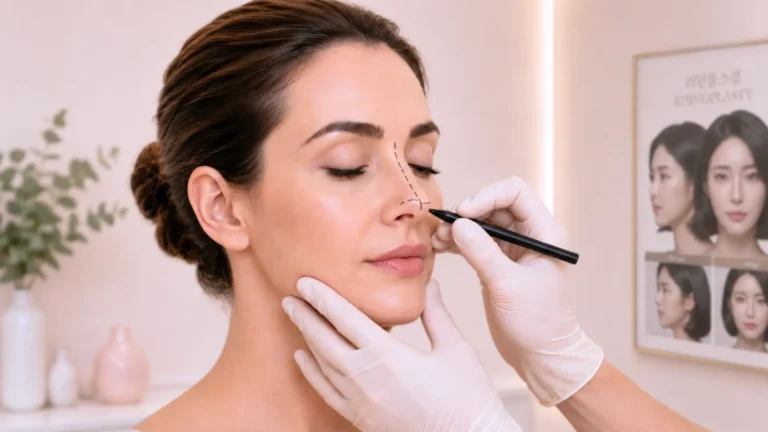 Procedure
Rhinoplasty
Reshapes size, bridge & tip. Straightens crooked nose. Removes bumps/humps. Narrows wide nose/nostrils. Balances facial proportions. Improves breathing & airflow. Corrects structural issues. Natural, permanent results.
View procedure
 Procedure
Revision Rhinoplasty
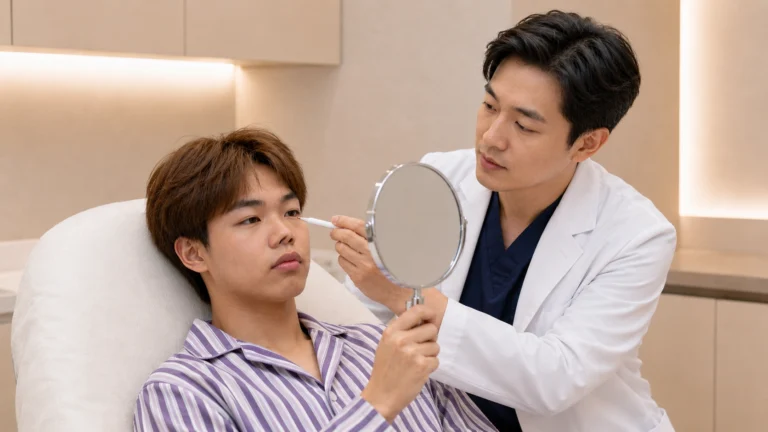
Fixes aesthetic errors like pinched tips or crooked bridges. Restores clear breathing and corrects nasal valve collapse. Rebuilds structural support using advanced cartilage grafting. Corrects asymmetries in the nostrils and nasal tip. Smooths out post-surgical bumps and skin indentations. Adjusts nose length and rotation for better facial balance. Manages scar tissue to create a more natural appearance. Restores self-esteem after a disappointing first procedure.
View procedure
 Doctor · Korea
Dr. Ahn Seung-Hyeon
Plastic Surgeon / Senior Specialist · 20+ years · AB Plastic Surgery
View doctor
 Doctor · Korea
Dr. Gu Sang Hwan
Director / Chief Plastic Surgeon · 30+ years · Geurim Plastic Surgery
View doctor
 Doctor · Korea
Dr. Jea Sung Yoo
Chairman / Chief Plastic Surgeon · 30+ years · Pitangui Plastic Surgery
View doctor
 Doctor · Korea
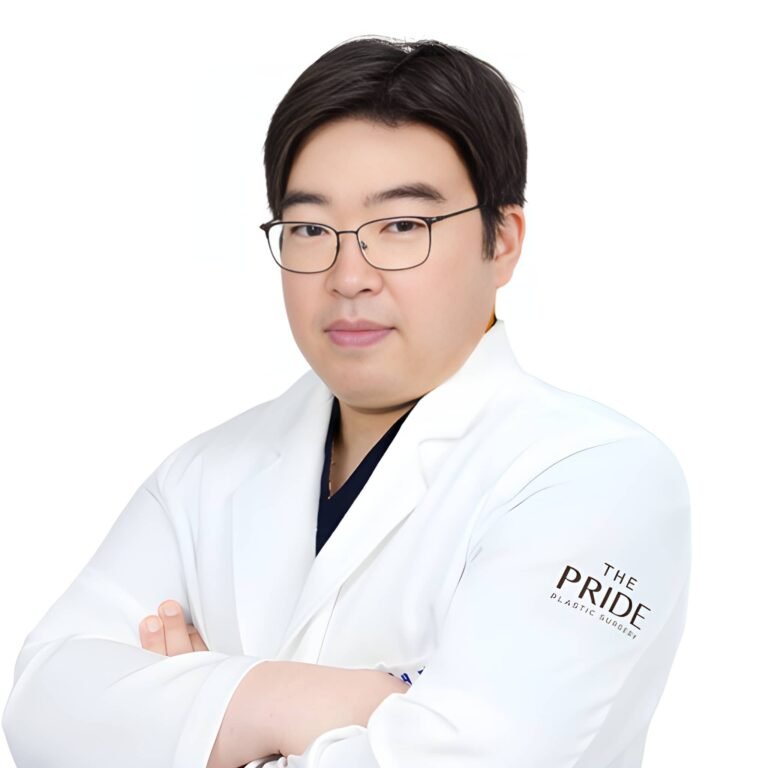
Dr. Yi Tae Min
Medical Director · 20+ years · The PRIDE Plastic Surgery
View doctor
 Doctor · Korea
Dr. Dongil Choi
Medical Director · 20+ years · Gangnam Seoyon Plastic Surgery
View doctor
 Hospital · Seoul
AB Plastic Surgery
Plastic Surgery Aesthetic · BeautsGO verified
View hospital
 Hospital · Seoul
Faceline Plastic Surgery
Plastic Surgery Aesthetic · BeautsGO verified
View hospital
 Hospital · Seoul
Geurim Plastic Surgery
Plastic Surgery Aesthetic · BeautsGO verified
View hospital
 Hospital · Seoul
Pitangui Plastic Surgery
Plastic Surgery Aesthetic · BeautsGO verified
View hospital
 Hospital · Seoul
The PRIDE Plastic Surgery
Plastic Surgery Aesthetic · BeautsGO verified
View hospital
 Hospital · Seoul
Gangnam Seoyon Plastic Surgery
Plastic Surgery Aesthetic · BeautsGO verified
View hospital
More from the Journal
All articlesMedical disclaimer: This content is for informational purposes only and is not a substitute for professional medical advice, diagnosis, or treatment. Read our full Medical Disclaimer.