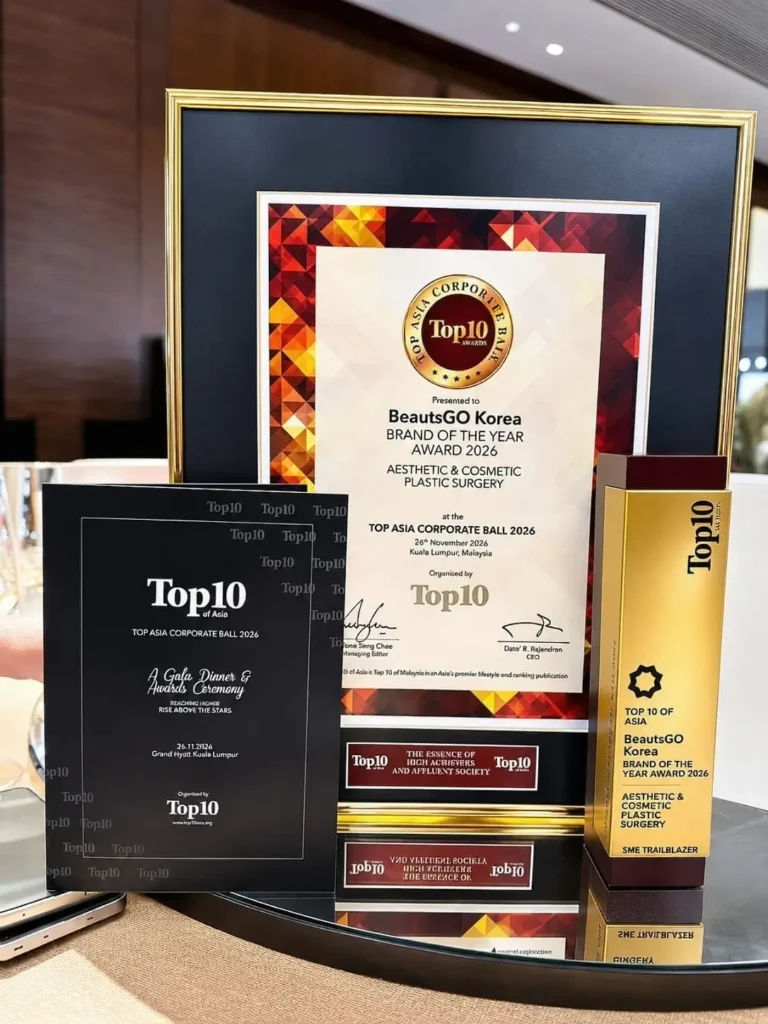

Rhinoplasty in Korea (2026): Top Clinics, Surgeons, Techniques & Patient Guide
Complete 2026 blueprint to nose jobs in South Korea: compare verified Seoul rhinoplasty hospitals and surgeons, primary vs. rib cartilage techniques, KRW/USD costs, and recovery timelines.
Key takeaways
- 2026 Korea Rhinoplasty Pricing: Primary nose surgery ranges from $3,250 to $8,000 USD (KRW 4,500,000 to 11,000,000), while rib revisions range from $6,500 to $13,000 USD.
- Structural Tip Support Without L-Implants: Ethical Seoul surgeons shape nasal tips exclusively with septal, ear, or rib cartilage, never rigid L-shaped silicone.
- Skin & Bone Matching Matters: Thick sebaceous Asian tips, bulbous noses, dorsal humps, and contracted revisions require fundamentally different cartilage strength and osteotomy plans.
- Plan 7 to 12 Days in Seoul: External splints and columella stitches typically come off around Day 6 to Day 7, allowing safe flights home by Day 7 to Day 10.
- Zero Markup Multi-Clinic Access: Connect directly with GNG, AB, VG, Dream, MUST, Glovi, and other vetted Korean hospitals through BeautsGO with $0 coordination fees.
South Korea is one of the world’s premier destinations for primary and revision rhinoplasty, with accredited specialist clinics concentrated inside Seoul’s Gangnam, Sinsa, and Apgujeong medical hubs. Rather than reshaping a nose in isolation with aggressive reduction, Korean nasal surgeons use structural cartilage engineering and 3D CT airway analysis to balance bridge height, tip definition, nostril width, and long-term breathing function.
In 2026, primary rhinoplasty in South Korea typically costs $3,250 to $8,000 USD (KRW 4,500,000 to 11,000,000), while complex revision rhinoplasty ranges from $6,500 to $13,000 USD (KRW 9,000,000 to 18,000,000). Most patients stay 7 to 10 days in Seoul for splint removal and initial suture care before flying home.
Why International Patients Choose South Korea for Primary & Revision Rhinoplasty
International patients travel from the United States, Singapore, Australia, and Indonesia to Seoul for three clinical reasons that directly improve long-term nasal stability and scar aesthetics.
- Structural augmentation without artificial stiffness: Instead of stretching nasal skin with oversized L-shaped silicone implants, modern Korean rhinoplasty restricts dorsal implants (when used) strictly to the nasal bridge while sculpting the tip exclusively with your own septal, ear, or rib cartilage.
- Natural profile design over generic swoops: Korean clinics tailor nasolabial angles carefully by gender and facial bone structure, typically targeting a gentle 95 to 105 degree curve (jik-ban-beoseon) for women and a clean 90 to 95 degree straight bridge (jik-seon) for men.
- High-volume revision expertise: Because Seoul manages tens of thousands of nasal cases annually, dedicated revision specialists routinely repair contracted short noses, extruded implants, and scarred tips that many domestic clinics turn away.
| Decision Factor | South Korea (Seoul) | Turkey (Istanbul) | United States / Australia |
|---|---|---|---|
| Primary Focus | Bridge augmentation, bulbous/thick-skin tip grafting, alar refinement, contracted revisions | Large dorsal hump reduction and bony osteotomy | Caucasian hump reduction, functional septorhinoplasty |
| Thick-Skin & Low-Bridge Mastery | Industry leading; tailored cartilage tip support without skin thinning trauma | More focused on thinner Mediterranean/Middle Eastern skin | Varies significantly outside major coastal hubs |
| 2026 Primary Cost Range (USD) | $3,250 to $8,000 (see itemized Korea rhinoplasty costs) | $3,000 to $6,500 | $9,500 to $18,000+ |
| Imaging & ENT Safety | Routine 3D CT airway and bone visualization included in consult/pre-op | Varies by hospital | Pre-op CT billed separately when ordered |
Functional Airway Integration & 3D CT Surgical Simulation
Top Seoul nose clinics evaluate breathing mechanics alongside cosmetic angles from the very first consultation. Using pre-operative 3D CT scans, ENT specialists and plastic surgeons measure inferior turbinate enlargement, internal nasal valve width, and septal bone deviation before carving any implant or cartilage graft. Combining septoplasty or radiofrequency turbinate shrinkage into the same operation straightens obstructed airflow while simultaneously harvesting deviated septal cartilage to build a stronger, non-warping nasal tip strut.
Verified Rhinoplasty Clinics & Specialist Nose Surgeons in Seoul
Choosing the right hospital depends heavily on whether your case needs combined airway repair, primary Asian tip projection, hump osteotomy, or rib cartilage reconstruction. Below are verified Korean rhinoplasty hospitals and board-certified nose surgeons in BeautsGO’s network.
| Hospital / Clinic | Specialist Surgeon | Rhinoplasty Focus & Capabilities | Revision Support |
|---|---|---|---|
| GNG Hospital | Dr. Seong Yong Hae (17 yrs) | Combined ENT airway septoplasty + aesthetic bridge/tip, no-implant & rib reconstruction | Yes (High-volume revision & breathing unit) |
| AB Plastic Surgery | Dr. Ahn Seung-Hyeon (20 yrs) | 3D CT primary rhinoplasty, bulbous tip, hawk nose & facial harmony combinations | Yes (Autologous & donor rib) |
| VG Plastic Surgery | Dr. Young Min Im (15 yrs) | Customized material selection (silicone, Gore-Tex, autologous cartilage) and complex revisions | Yes (Contracted & implant removal) |
| Dream Plastic Surgery | Dr. Tony Yang Soo Park (25 yrs) | Closed no-visible-scar rhinoplasty options, conservative balanced natural profiles | Yes (25 yrs specialist experience) |
| MUST Plastic Surgery | Dr. Kim Jeong Ki | Dedicated primary, male, and revision rhinoplasty planning | Yes |
| Glovi Plastic Surgery | Dr. Rho Bongil (27 yrs) | Long-tenured nasal tip sculpting, bridge balance, and functional adjustments | Yes |
| The PRIDE Plastic Surgery | Dr. Yi Tae Min (20 yrs) | Precision facial proportion rhinoplasty + bone contouring integration | Yes |
| Note Plastic Surgery | Dr. Kwon Soon Geun (19 yrs) | Personalized tip projection and facial balance rhinoplasty | Yes |
| Gangnam Seoyon Plastic Surgery | Dr. Dongil Choi (20 yrs) | Early and complex structural nasal revisions | Yes |
| Cheongdam FIRST Plastic Surgery | Dedicated eye & nose surgical team | Minimal-swelling micro-dissection and fine profile refinement | Yes |
Korean Nose Job Techniques by Nasal Anatomy
Great rhinoplasty outcomes depend on matching specific surgical maneuvers to your existing cartilage strength and skin thickness. For deeper anatomical diagrams covering bulbous tips, dorsal humps, flat bridges, and nostril flaring, read our full Asian, bulbous, flat, and hawk nose correction guide.
| Nasal Shape / Concern | Core Surgical Technique Used in Seoul | Typical Graft / Implant Strategy | Average OR Time |
|---|---|---|---|
| Low Bridge / Flat Radix | Subperiosteal pocket dissection for bridge height + tip cartilage column | Carved medical silicone or autologous cartilage + septal/ear tip | 1.5 to 2.5 hours |
| Bulbous Tip (Bok-ko) | Conservative fibrofatty tissue reduction + alar cartilage tying (transdomal suture) | Strong septal extension graft to project and narrow skin envelope | 2 to 3 hours |
| Dorsal Hump / Hawk Nose | Hump rasp or excision + lateral osteotomy to narrow wide nasal bones | Minimal or zero dorsal implant + spreader grafts to protect breathing | 2 to 3.5 hours |
| Short / Upturned Nose | Full release of tethered ligaments + caudal septal extension framework | High-strength autologous septal or rib cartilage (resists upward contracture) | 2.5 to 4 hours |
| Wide Nostril Base (Alarplasty) | Internal sill excision or external Weir alar wedge resection | No implant needed; often bundled at end of tip surgery | 30 to 45 mins |
| Deviated Septum / Nasal Obstruction | Functional septoplasty + turbinate volume reduction paired with cosmetic refinement | Harvested deviated septum straightens airway and supplies tip graft | 2 to 3 hours |
Implant & Cartilage Graft Choices: Silicone, Septal, Ear & Rib Cartilage
Selecting the safest material inside your nose balances bridge height goals, nasal skin thickness, and infection or warping resistance. We break down comparative longevity, extrusion risk, and absorption rates in detail inside our Korean rhinoplasty materials guide (silicone vs. cartilage).
- Septal & Ear Cartilage (Primary Tip Standard): Septal cartilage inside the nose provides straight structural scaffolding for tip lengthening, while soft ear (conchal) cartilage contours gentle tip rounding cleanly.
- Custom-Carved Medical Silicone (Bridge Only): Preferred when significant bridge elevation is desired in thicker nasal skin because it maintains crisp dorsal lines and remains straightforward to adjust if needed years later.
- Autologous or Donor Rib Cartilage (Revisions & Implant-Free): Harvested through a tiny 1.5 to 2 cm crease under the right chest (or processed donated rib) for zero-implant rhinoplasty, thick Asian skin needing powerful support, or contracted revision repairs.
- No L-Shaped Silicone: Ethical Gangnam hospitals no longer place old one-piece L-shaped silicone struts down into the nasal tip due to high risk of tip skin thinning and extrusion.
| Material Option | Where Placed | Best Skin / Case Match | Long-Term Tradeoffs |
|---|---|---|---|
| Medical Silicone Implant | Nasal dorsum bridge only | Flat bridge with medium to thick skin | Never absorbs; very rare capsular thinning over decades if placed too shallow |
| Septal & Ear Cartilage | Tip strut, projection, alar support | Nearly all primary cosmetic cases | Zero foreign-body rejection; limited total volume for severe revisions |
| Autologous Rib Cartilage | Dorsum bridge and rigid tip strut | Revision cases, contracted short nose, no-implant preference | Requires chest donor incision; minor 1% to 3% warping risk managed via laminated carving |
| Processed Donor Rib | Tip extension or dorsal graft | Revisions wanting zero chest harvest scar | Avoids chest pain; slightly higher long-term resorption rate than live patient rib |
Open vs. Closed Rhinoplasty & 3D CT Airway Diagnostics in Seoul
Whether your surgeon performs open (transcolumellar) or closed (endonasal) rhinoplasty is usually driven by structural complexity rather than doctor marketing preference.
Open rhinoplasty makes a tiny inverted-V incision across the bottom columella bridge so the surgeon sees all tip cartilages directly under bright light. This approach is essential for asymmetric nostrils, crooked septal deviation, severe bulbous tip sculpting, and nearly all revision rhinoplasty cases in Korea. With fine micro-suturing, the columella mark fades into a faint hair-thin line within 3 to 6 months.
Closed rhinoplasty keeps every incision concealed inside the nostrils, ideal for minor bridge raising, slight hump rasping, or patients prioritizing minimal visible columella scarring. Regardless of incision style, expect your Seoul clinic to run a pre-op 3D CT scan checking septal bone thickness, sinus drainage, and inferior turbinate hypertrophy before finalizing your surgical plan.
Want 3 to 4 Korean nose surgeons to evaluate your anatomy before you fly? Share your front and side-profile photos once to receive tailored material plans and itemized hospital quotes at zero cost.
2026 Rhinoplasty Cost Summary, Revision Rules & Non-Surgical Alternatives
In 2026, rhinoplasty pricing in South Korea scales with grafting complexity, osteotomy bone work, and whether the operation is a first-time or revision surgery. Note that the former 10% foreign patient VAT refund ended on December 31, 2025, so confirm your final quote is VAT-inclusive.
| Rhinoplasty Tier | 2026 Korea Price (KRW) | Approx. USD Cost | Primary Cost Drivers |
|---|---|---|---|
| Alarplasty (Nostril Reduction Only) | KRW 1,500,000 to 2,800,000 | $1,100 to $2,050 | Local sedation; sill vs. Weir wedge incision |
| Primary Bridge + Tip Rhinoplasty | KRW 4,500,000 to 9,000,000 | $3,250 to $6,500 | Silicone or septal/ear cartilage grafting + sleep sedation |
| Complex Structural / Autologous Rib | KRW 9,000,000 to 17,350,000 | $6,500 to $12,500 | Rib harvest surgery, hump osteotomy, general anesthesia |
| Revision Rhinoplasty | KRW 9,000,000 to 18,000,000 | $6,500 to $13,000 | Scar release, implant removal, autologous rib carving |
| Nose Filler / Hiko Threads | KRW 250,000 to 1,400,000 | $180 to $1,000 | Temporary HA filler or dissolvable threads (12 to 18 months) |
For full package details, hidden-fee checks, and currency tips, see our dedicated Rhinoplasty Cost in Korea (2026) breakdown and review why unusually cheap discount deals carry steep revision risk in our guide on avoiding cheap factory rhinoplasty traps. Wait at least 6 to 12 months after primary surgery before considering any revision.
Seoul Stay Duration, Splint Removal & Recovery Milestones
Plan 7 to 10 days in Seoul for standard primary rhinoplasty (or 10 to 12 days if undergoing autologous rib harvesting or complex revision). External nasal casts and initial stitches are typically removed around Day 6 to Day 7, with major bruising subsiding between Days 7 and 14. Read our complete day-by-day checklist and cabin-pressure guidance in How Long to Stay in Korea for Rhinoplasty.
5 Essential Questions to Ask Your Seoul Rhinoplasty Surgeon in Person
Before signing surgical consent forms in Gangnam, walk into every consultation with these five technical verification questions:
- What exact material touches my nasal tip? Confirm septal, ear, or rib cartilage is anchoring the tip independently from any dorsal bridge implant.
- Does my 3D CT scan show septal deviation or turbinate hypertrophy? Knowing whether functional airway repair is needed protects breathing comfort after osteotomy narrowing.
- Are lateral osteotomies needed to narrow my nasal bone width? Raising a flat bridge alone without narrowing wide base walls can make the upper third look heavy.
- Will the lead consultant surgeon perform the entire procedure under OR CCTV? Confirm real-name surgical accountability and request operating room CCTV recording before paying your balance.
- What does your post-op complication and revision policy cover? Ask in writing whether healing irregularities within 6 to 12 months incur anesthesia or hospital fees.
How to Book Consultations With Verified Seoul Rhinoplasty Surgeons at Zero Extra Fee
Because cartilage strength, nasal skin thickness, and breathing airway anatomy differ dramatically from person to person, online photo quotes work best when comparing two or three qualified surgeons side by side.
Browse BeautsGO’s verified South Korea hospitals or submit your consultation inquiry directly to get matched with board-certified Seoul rhinoplasty directors, itemized VAT-clear KRW quotes, and zero broker markups.
Medical Disclaimer: Surgical suitability, graft choice (septal, ear, or rib cartilage), and final pricing require in-person clinical examination and 3D CT evaluation by a licensed physician.
Frequently asked questions
What is the average cost of rhinoplasty in South Korea in 2026?
Is South Korea safe for rhinoplasty?
Is South Korea better than Turkey for a nose job?
Which material is safest for Korean rhinoplasty: silicone or rib cartilage?
How long do I need to stay in Seoul after rhinoplasty?
How long after a previous nose job can I get revision rhinoplasty in Korea?
Mentioned in this guide
12 items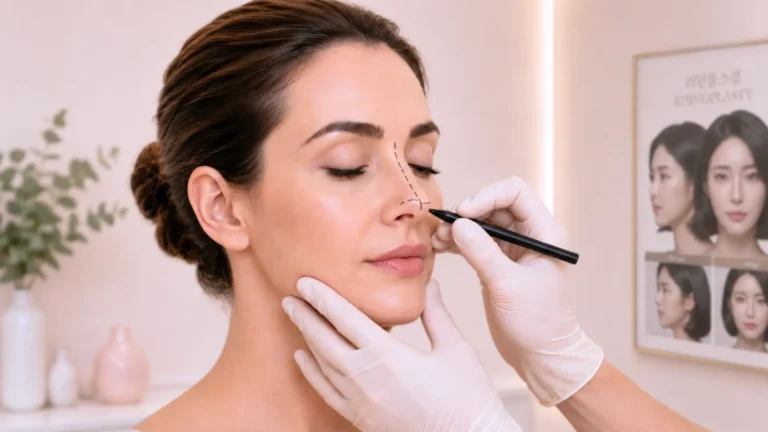 Procedure
Rhinoplasty
Reshapes size, bridge & tip. Straightens crooked nose. Removes bumps/humps. Narrows wide nose/nostrils. Balances facial proportions. Improves breathing & airflow. Corrects structural issues. Natural, permanent results.
View procedure
 Procedure
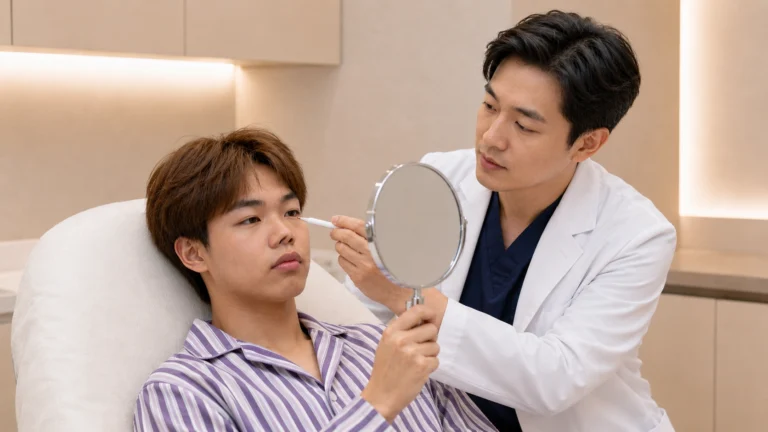
Revision Rhinoplasty
Fixes aesthetic errors like pinched tips or crooked bridges. Restores clear breathing and corrects nasal valve collapse. Rebuilds structural support using advanced cartilage grafting. Corrects asymmetries in the nostrils and nasal tip. Smooths out post-surgical bumps and skin indentations. Adjusts nose length and rotation for better facial balance. Manages scar tissue to create a more natural appearance. Restores self-esteem after a disappointing first procedure.
View procedure
 Doctor · Korea
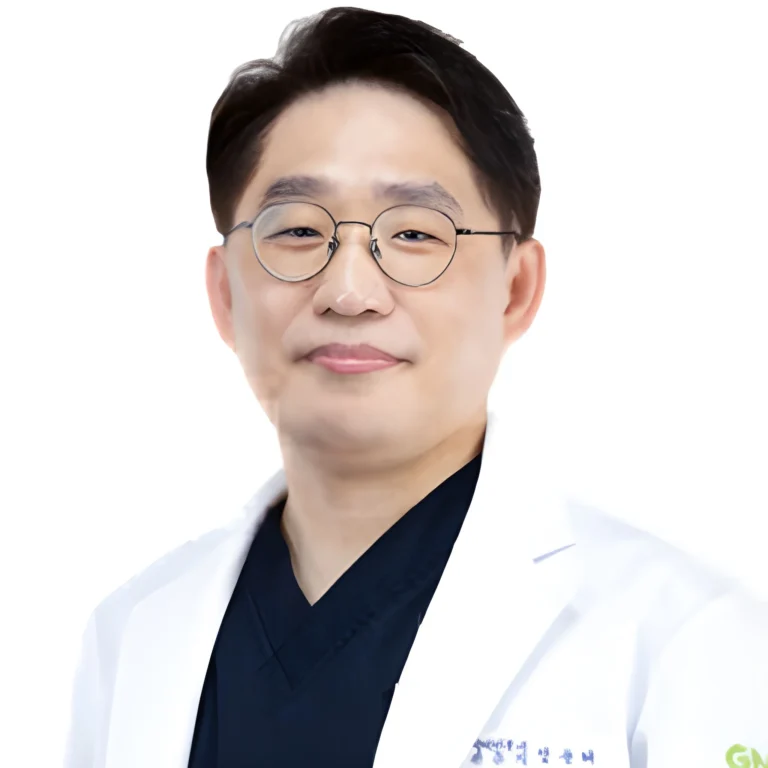
Dr. Seong Yong Hae
Director / Head Surgeon · 17+ years · GNG Hospital
View doctor
 Doctor · Korea
Dr. Ahn Seung-Hyeon
Plastic Surgeon / Senior Specialist · 20+ years · AB Plastic Surgery
View doctor
 Doctor · Korea
Dr. Young Min Im
CEO / Chief Plastic Surgeon · 15+ years · VG Plastic Surgery
View doctor
 Doctor · Korea
Dr. Rho Bongil
Director / Chief Plastic Surgeon · 27+ years · Glovi Plastic Surgery
View doctor
 Hospital · Seoul
GNG Hospital
Plastic Surgery Aesthetic · BeautsGO verified
View hospital
 Hospital · Seoul
AB Plastic Surgery
Plastic Surgery Aesthetic · BeautsGO verified
View hospital
 Hospital · Seoul
VG Plastic Surgery
Plastic Surgery Aesthetic · BeautsGO verified
View hospital
 Hospital · Seoul
MUST Plastic Surgery
Plastic Surgery Aesthetic · BeautsGO verified
View hospital
 Hospital · Seoul
The PRIDE Plastic Surgery
Plastic Surgery Aesthetic · BeautsGO verified
View hospital
 Hospital · Seoul
Note Plastic Surgery
Plastic Surgery Aesthetic · BeautsGO verified
View hospital
More from the Journal
All articlesMedical disclaimer: This content is for informational purposes only and is not a substitute for professional medical advice, diagnosis, or treatment. Read our full Medical Disclaimer.