 Hospital
Face Contouring Surgery
Also known as: Mandibular Angle Reduction, Zygomatic Reduction, V-Line Surgery, Jaw Reduction Surgery, Face Slimming Surgery, Square Jaw Correction
Recovery
- Swelling and bruising subside gradually within 1–3 weeks.
- Most clients return to work or normal daily activities in 1–2 weeks.
- Final refined contours will emerge clearly as the tissues settle fully over several months.
Considering Face Contouring Surgery?
Compare transparent pricing from vetted specialists in minutes.
About Face Contouring Surgery
Treated areas:Face, Cheeks, Chin, Jawline
FACE CONTOURING SURGERY: Shape, Balance & Harmonise Your Features
Customised Facial Sculpting | Defined, Balanced | Timeless Beauty
Face contouring surgery shapes and balances your face by precisely adjusting bones, muscles, and soft tissues. Every surgical plan is fully customised to suit your specific goals, whether you want a slimmer V‑shape, a sharper jawline, softer features, or better overall proportion. The result is a naturally defined and harmonious look that fits your unique facial structure perfectly.
What You Will Achieve
✅ Slimmer, More Balanced Face Shape: Narrows wide, square, or overly prominent jawline; reduces protruding or flared cheekbones; creates a sleek, tapered V‑line or heart‑shaped outline.
✅ Defined, Chiseled Contours: Sharpens and refines jawline, chin, and cheekbones; removes bulkiness or sharp angles; gives clear, structured, elegant facial definition.
✅ Perfect Proportion & Symmetry: Fixes uneven width, misaligned chin, or lopsided features; balances upper, mid, and lower face for total harmony.
✅ Refined Chin & Profile: Adjusts weak, receding, overly long, or pointed chin; improves side profile and strengthens lower facial support.
✅ Smoother, Softer Lines: Eliminates heavy, bulky, or sharp facial edges; creates gentle, natural, and feminine or masculine outlines as desired.
✅ Corrected Structural Issues: Fixes congenital imbalance, trauma‑related deformities, or uneven growth; restores natural facial alignment.
✅ Youthful, Lifted Appearance: Reduces fullness, heaviness, or sagging; sharpens the jaw‑neck border; creates a firmer, fresher, and more lifted look.
✅ Natural, Permanent Results: Changes are made to bone and structure; results are stable and long‑lasting; looks seamless and true to your features.
✅ Boosted Confidence & Comfort: Feel more attractive, proportional, and confident; enjoy a balanced, refined look in every angle.
✅ Improved Function: Corrects bite misalignment, jaw pain, or breathing issues when needed; enhances comfort and daily function.
Common Procedures
| Procedure | Description | Ideal For |
|---|---|---|
| 🔹 Jaw Reduction | Trims and reshapes the lower jaw bone to make it narrower and softer. | Wider or square jaw, achieving a slimmer V‑line shape, or creating a softer lower face contour. |
| 🔹 Chin Surgery (Genioplasty) | Adjusts the size, position, or shape of the chin by repositioning bone or placing a high‑quality implant. | Weak, receding, or uneven chin, improving an unbalanced side profile, and enhancing overall facial proportion. |
| 🔹 Cheekbone Contouring | Reduces or augments cheekbones to create softer curves or more defined structure. | Overly wide or prominent cheeks, flat mid‑face, or those desiring stronger cheek definition. |
| 🔹 Buccal Fat Removal | Removes small, defined fat pads from the middle of the cheeks. | Round, chubby, or full cheeks, revealing natural cheekbones and creating a slimmer mid‑face. |
| 🔹 Implants & Fat Grafting | Adds volume precisely where needed using safe synthetic implants or your own purified fat. | Flat or sunken areas, restoring youthful fullness, and enhancing definition or symmetry. |
| 🔹 Neck & Jawline Refinement | Removes excess fat and tightens loose skin to create a clean, sharp separation between the face and neck. | Blurred contours, excess fullness, or sagging skin under the chin. |
Non‑Surgical Options (No Downtime)
For subtle changes, soft refinement, or those not ready for surgery:
✨ Fillers: Instant shaping for the chin, jaw, or cheeks.
✨ Botox: Relaxes jaw muscles to slim the lower face naturally.
✨ Ultrasound / RF: Tightens skin deep down for better definition and lift.
✨ Thread Lift: Gently lifts and shapes mild sagging areas.
These treatments work well alone or combined with surgery for enhanced results.
Ideal Candidate
You are a perfect candidate if you:
- Feel your face shape or proportions are unbalanced or uneven.
- Want a slimmer, sharper, softer, or more elegant facial silhouette.
- Have prominent jaw or cheekbones you wish to adjust or soften.
- Desire better symmetry and clearer definition between features.
- Seek an oval, V‑shaped, or refined facial contour that looks natural and harmonious.
Price by Region
| Location | Ranging from |
|---|---|
| Korea | 16,000,000 (KRW) |
| Thailand | 230,000 (THB) |
| China | 60,000 (RMB) |
| Japan | 1,400,000 (JPY) |
| Malaysia | 26,500 (MYR) |
| Singapore | 11,000 (IDR) |
| Indonesia | 90,000,000 (IDR) |
Real Results
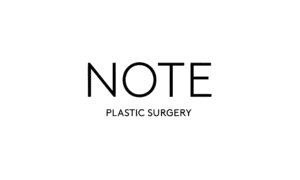
How It Is Performed
- 3-D CT scan of the mandible and midface — digital surgical simulation previews the planned bone reduction
- General anaesthesia with naso-tracheal (nasal) intubation to allow full mouth access
- Intra-oral incision in the retromolar region (jaw) and buccal sulcus (cheekbones)
- Sub-periosteal dissection to expose the target bone surfaces
- Mandibular angle: Piezoelectric (ultrasonic) or oscillating-saw performs a long-curve osteotomy; outer cortex grinding smooths the jaw border
- Zygomatic reduction: L-shaped osteotomy of the zygomatic body and arch → inward repositioning → titanium screw fixation
- Genioplasty (chin): Sliding osteotomy via lower-lip sulcus incision if indicated
- Drain placement to prevent haematoma; intra-oral closure with dissolving sutures
- Compression facial garment applied


































Your Timeline
Preparation
- 3-D CT mandible and midface scan
- Dental clearance — professional cleaning; treatment of any active decay or infection
- Full blood work and ECG; anaesthesia assessment
- Smoking cessation 4 weeks before surgery
- No aspirin or anti-inflammatory medication 10 days before
Followup Care
- 1–2 nights inpatient observation
- Soft / liquid diet for 14 days
- Antibiotic mouthwash twice daily for 2 weeks
- Compression facial garment for 4–6 weeks
- No wide mouth-opening for 4 weeks
- No contact sports for 8 weeks
- Daily antiseptic oral rinse
Frequently Asked Questions
Is this surgery performed through external incisions?
No. All incisions are made inside the mouth, leaving no external scarring on the face.
How much narrowing can be achieved?
Results vary by bone anatomy, but most patients achieve a 10–20 mm reduction in facial width at the mandibular angles. The change can be previewed on 3-D CT simulation before surgery.
Will my bite change after jaw surgery?
Mandibular angle reduction removes bone from the back corner of the jaw, which does not involve the dental occlusion (bite). Your bite alignment should remain unchanged. If any bite shift occurs post-operatively, it is typically minor and self-corrects.
Is it painful after surgery?
Post-operative swelling and tightness are expected for the first 2–3 weeks. Pain is generally manageable with oral medication. Numbness of the lower lip is common and typically resolves within months.
Can the jaw shift or become asymmetric after surgery?
Piezosurgery (ultrasonic bone cutting) is used to protect nerves and improve precision, reducing asymmetry risk. Titanium screws secure zygomatic repositioning. Long-term asymmetry is rare when surgery is well planned.
I have heard about cheek sagging after facial bone reduction. Is this a real risk?
Yes, when facial width is reduced, the soft tissue that was supported by the wider bone must readapt. Surgeons minimise this by performing sub-periosteal dissection (keeping soft tissue attached) and recommending compression garment use post-operatively. Most sagging, if it occurs, resolves within 6–12 months.
Can I see a preview of my result before committing to surgery?
Absolutely. 3-D CT digital simulation is shown to you on the planned bone reduction and predicted facial profile change before you consent to surgery.
When will I see my final result?
Significant improvement is visible within 2–3 months; however, final bone-remodelling results may take 6–12 months to fully manifest.
What is the minimum age for this surgery?
Facial skeletal growth is typically complete by age 18–20. Most surgeons recommend waiting until at least 20 to ensure the bones have finished developing before permanent reshaping.
· Next Step
Interested in Face Contouring Surgery?
Connect with accredited specialists and get a personalised plan.