
Lower Blepharoplasty, Eye Bag Removal & Ptosis Revision in Korea (2026): Costs & Clinics
Complete 2026 Korea eye surgery guide beyond primary double eyelids: scarless eye bag fat repositioning, lower blepharoplasty, ptosis correction, sausage-lid revisions ($1,450-$6,520), and vetted Seoul clinics.
Key takeaways
- Preserve Fat Over Amputating: Korean oculoplastic specialists rely on transconjunctival fat repositioning to smooth bulging bags into hollow tear troughs permanently without leaving gaunt sunken eyes.
- 2026 Seoul Pricing: Scarless eye bag repositioning costs $1,450 to $3,050 USD, lower blepharoplasty runs $2,030 to $3,980 USD, ptosis averages $1,450 to $3,620 USD, and eyelid revisions run $2,900 to $6,520 USD.
- 6-Month Revision Wait: Allow a full 6 months after primary eyelid surgery for scar maturation before correcting overly high sausage folds or asymmetry cleanly.
- Ectropion Safety Checks: Mature lower-lid skin trimming requires strict lid-snap elasticity assessment and lateral canthal support so lower lids stay snug against the eyeball.
- 5 to 7 Day Stay Window: Budget 1 week in Seoul for suture checks, wearing glasses instead of contact lenses for 2 to 3 weeks post-op.
Lower blepharoplasty, under-eye fat repositioning, ptosis correction, and eyelid revision represent the fastest-growing high-precision subspecialty inside Seoul’s ophthalmology-adjacent aesthetic clinics. While primary double eyelids focus on creating clean supratarsal creases, mature travelers and revision patients increasingly travel to Gangnam to erase bulging eye bags, awaken sleepy upper lids, or soften overly high, thick sausage scars left by rushed earlier surgeries.
In 2026, scarless transconjunctival under-eye fat repositioning costs $1,450 to $3,250 USD (KRW 2,000,000 to 4,500,000), muscular ptosis correction runs $1,450 to $3,600 USD, and delicate revision eyelid surgery ranges from $2,900 to $6,500 USD. Pair this focused guide cleanly alongside our foundational double eyelid surgery in Korea guide before picking a clinic.
Why Koreans Reposition Under-Eye Fat Instead of Cutting Eye Bags Away
Why do people get puffy under-eye shadows even in their 20s and 30s, and how do Korean eye clinics treat them without creating hollow skeletonized tear troughs? Years ago, standard eye-bag operations simply amputated protruding lower orbital fat pads cleanly out of the lid, leaving patients looking flat and gaunt only 3 to 5 years later as midface fat shrank.
- Transconjunctival fat repositioning (Scarless inner incision): For 20s to early 40s guests with intact skin snap, surgeons enter discreetly through the moist inner pink eyelid lining (zero external skin scar), release the tight tear-trough ligament, and drape living protruding fat smoothly downward across sunken under-eye hollows.
- Subciliary lower blepharoplasty (External lash-line lift): For age 45+ guests carrying redundant crepey lower-lid skin alongside fat bulges, a hairline incision tucked 1.5mm beneath lower lashes combines fat repositioning with conservative vertical skin tightening and septal reinforcement.
- Zero tear-trough filler dependency: Repositioning native orbital fat fixes morning fluid puffiness permanently without risking bluish Tyndall shine.
Ptosis Correction, Canthoplasty & Double-Eyelid Revision Explained
Sleepy-looking upper eyelids rarely need thicker skin cuts; more often, stretched levator eye-opening muscles sit weak behind heavy skin folds. Correcting true eye-opening power transforms tired expressions naturally:
| Sub-Procedure | Clinical Problem Solved | Incision Type & Technique Highlights |
|---|---|---|
| Transconjunctival Eye Bag Surgery (Fat Repositioning) | Under-eye puffiness + dark tear-trough shadows with elastic skin | Zero external skin stitches; fat preserved and anchored over orbital rim |
| Subciliary Lower Blepharoplasty | Droopy excess lower-lid skin wrinkles + prominent bulging eye pads | Hidden fine lower-lash cut trimming conservative millimeter strip without eyelid pull-down (ectropion) |
| Non-Incisional / Incisional Ptosis Correction | Sleepy eyes, raised compensatory forehead eyebrows, uneven upper-iris exposure | Tucks or tightens Mueller’s / levator aponeurosis muscle vertically (compare regional ptosis rates) |
| 4-Way Canthoplasty (Lateral / Dual) | Short horizontal eye length, upturned outer slant, tight medial epicanthal fold | Custom micro-lengthening at inner, outer, or lower outer rim without visible pink mucosal notch |
| Sausage-Lid & Two-Line Eyelid Revision | Overly high, tight, asymmetrical, or scarred previous upper eyelid creases | Carefully releases dense fibrotic adhesions, redistributes sunken upper fat, and lowers crease cleanly |
2026 Korea Eye Bag, Lower Blepharoplasty & Revision Cost Breakdown
How much does under-eye or revision blepharoplasty cost in Seoul? Bundling two harmonious eye procedures in one sitting lowers combined anesthesia overhead significantly. Remember South Korea’s 10% foreign tourist VAT refund ended December 31, 2025, so verify VAT-inclusive quotes in Korean Won against broader Asian blepharoplasty cost comparisons:
| Eye Surgery Category | 2026 Seoul Price Range (KRW) | Approx. USD Cost | Hospital Stay & Recovery Window |
|---|---|---|---|
| Transconjunctival Eye Bag Fat Repositioning | KRW 2,000,000 to 4,200,000 | $1,450 to $3,050 USD | Usually absorbable inner stitches; checkup Day 3 to 5; mild yellow bruising 1 week |
| Subciliary Lower Blepharoplasty (Skin + Fat) | KRW 2,800,000 to 5,500,000 | $2,030 to $3,980 USD | Fine lash-line suture removal at Day 5 to 7 |
| Ptosis Correction (Non-Incisional / Incisional) | KRW 2,000,000 to 5,000,000 | $1,450 to $3,620 USD | Often paired cleanly with primary blepharoplasty; suture out Day 5 to 7 |
| Dual / Epicanthoplasty + Lateral Canthoplasty | KRW 1,500,000 to 3,500,000 | $1,090 to $2,535 USD | Stitch removal at Day 7; avoid heavy lower eye rubbing for 1 month |
| Complex Upper Eyelid Revision (Sausage-Lid Repair) | KRW 4,000,000 to 9,000,000 | $2,900 to $6,520 USD | Requires 6+ months healing gap since prior surgery; meticulous scar/fat release |
Preventing Hollow Under-Eyes & Lower Eyelid Retraction (Ectropion)
The two most feared complications in lower eyelid surgery globally are sunken post-op tear troughs (too much orbital fat thrown away) and scleral-show pulling downward (ectropion caused by removing too much outer lower skin without tightening the lateral canthal tendon). Conscientious Seoul oculoplastic teams prevent both cleanly through diagnostic lid-snap testing:
- Pinch-test before touching skin: Surgeons test how fast your lower lid snaps back against the eyeball before deciding whether subciliary trimming needs gentle lateral canthopexy support.
- Septal reset over fat discard: Repositioned orbital fat pads fill hollow dark rings simultaneously while flattening forward eye-bag shadows.
- Conservative millimeter tolerance in high revisions: Upper sausage-lid repairs check eye-closing completeness (lagophthalmos prevention) first while awake on the operating table.
An equally essential anatomical nuance separates classic protruding orbital fat bags from lower cheekbone edema pads called malar mounds or festoons. While true eye-bag pads bulge directly beneath the lower lash margin and resolve cleanly via transconjunctival fat repositioning, puffy triangular fluid pillows sitting lower down along the upper cheek-bone edge stem from lymphatic sluggishness and slack retaining ligaments. Inner eyelid bag repositioning alone will not flatten lower cheek festoons, so honest Seoul oculoplastic surgeons clarify that distinction upfront and suggest pairing conservative midface lifting, radiofrequency tightening, or ultra-fine skin-booster balance cleanly afterward.
During primary upper blepharoplasty consults, confirm whether you want soft, non-surgical suture-tuck adhesion (suitable only for thin unhooded lids) or crisp surgical skin-muscle fixation with subtle fat trimming. Patients booking secondary eyelid revision to lower high sausage folds should also ask upfront if a protective skin-fold tuck remains feasible versus cautious upper-eyelid fat grafting to soften sunken orbital hollowing cleanly.
Wait Rules for Eyelid Revisions: When Can You Safely Correct Prior Surgery?
Unhappy patients frequently message clinics only three weeks after primary eyelid surgery begging for immediate lowering or crease release. However, performing eyelid revision through actively swollen, collagen-stiff Week 3 tissue tears fragile septal plates and worsens scar thickness.
- Early emergency exception (Days 1 to 14): Only blatant suture snagging or gross mechanical asymmetry confirmed inside the first 2 weeks qualifies for early adjustment before scar maturity begins.
- Standard maturation window (6 Months Minimum): Wait a full 6 months (or up to 12 months for complex thick skin scarring) so redness settles completely, crease height drops naturally into soft tissue, and your revision surgeon reads true residual excess accurately.
Candidates combining under-eye bag smoothing with upper-eyelid design also choose among three distinctly Korean crease shapes tuned to inter-eye spacing and orbital brow rim: an In-line taper disappears gracefully inside the inner eye corner for minimal understated warmth, an In-out line begins softly near the tear duct and fans gently outward across balanced mid-faces, while a brighter Semi-out line keeps subtle parallel separation cleanly across the inner lid without exaggerating heavy Western crease height.
Another essential diagnostic distinction inside Gangnam consultations separates structural under-eye shadows from true vascular bluish or brownish pigment dark circles. Repositioning protruding orbital fat pads levels physical shadow pockets permanently, yet translucent lower lids revealing blue orbicularis muscle vessels or sunny dermal melanin may also benefit from paired gentle micro-nanofat brightening or subsequent toning laser sessions 4 to 8 weeks after surgical swelling settles. Confirm stable tear production too: patients battling chronic severe dry eye or previous LASIK corneal sensitivity must disclose artificial-tear frequency upfront so levator ptosis tightening keeps nocturnal eye closure relaxed without irritating dry corneas.
Verified Seoul Eye Hospitals & Revision Specialists
Because millimeters dictate visual eye brightness, many Korean plastic surgeons limit practice strictly to periorbital anatomy and complex revisions. Compare vetted Seoul eye hospitals and directors accessible through BeautsGO below:
| Verified Hospital | Lead / Featured Specialist | Oculoplastic & Eye Revision Specialty |
|---|---|---|
| Semi Plastic Surgery (Sinsa-dong) | Dr. Park Sang Hyeon | Renowned Sinsa-dong eye center focused heavily on complex high-fold eyelid revisions, sausage-lid release, and ptosis balance |
| Cheongdam FIRST Plastic Surgery | Dr. Sung Jin Mo (30 yrs exp) | Elite boutique Cheongdam specialist famous for minimal-bruise micro-blepharoplasty, invisible revisions, and delicate lower eye bags |
| Classy Plastic Surgery (Gangnam Station) | Dr. Park Seong Hun | Gangnam hub offering signature eye shaping, scarless under-eye fat repositioning, and bright iris proportion ptosis work |
| Gangnam Seoyon Plastic Surgery | Dr. Dongil Choi (20 yrs exp) | Patient-first Gangnam eye clinic strong in double-eyelid primary creation, early scar repair, and ptosis correction |
| Muly Plastic Surgery & Note Plastic Surgery | Dr. Min Jang Hwan / Dr. Kwon Soon Geun | Central Gangnam centers integrating brow-to-eyelid spacing, canthoplasty, and under-eye rejuvenation cleanly |
| Dream Plastic Surgery & Grand Plastic Surgery | Dr. Tony Yang Soo Park / Dr. Lee Se Hwan | Full multi-specialty Seoul hospitals handling primary eye bags, mature upper-hood trimming, and paired midface care |
Pairing Upper Brow Lift or Under-Eye Fat Grafting With Eye Bag Surgery
Notice how older patients aged 48 to 65+ sometimes discover that drooping lateral eyebrows cause 70% of their hooding rather than eyelid skin alone. Simply excising upper lid skin repeatedly pulls thicker forehead brows even lower toward eyelashes; instead, Seoul specialists recommend subtle endoscopic forehead reduction or brow fixation paired with scarless lower fat repositioning.
Similarly, patients combining eye bag repositioning with delicate micro-fat transfer across sunken upper cheek bones achieve seamless midface light transition without overfilling lids; review broader age rejuvenation combinations in our Korea facelift and lift guide.
Recovery Timeline, Contact Lenses, Flight Rules & Concealing Bruises
How long does it take to recover from under-eye fat repositioning or blepharoplasty in Korea? Almost all eye procedures proceed under twilight sleep sedation plus local eye blocks (no overnight admission needed), letting you recover quietly in a nearby hotel with a brief 5 to 7 day Seoul schedule:
- Days 1 to 3 (Cold Packs & Awake Eye Opening): Expect tight swelling, mild bloody tear tinting inside inner cuts, and puffy upper lids; rest upright on two pillows and apply clean cold compresses 15 minutes every hour.
- Days 5 to 7 (Stitch Removal & Glasses Rule): Clinics remove tiny nylon sutures smoothly at Day 5 to 7. Pack comfortable dark UV sunglasses for museum sightseeing and wear prescription glasses instead of contact lenses cleanly for 2 to 3 weeks.
- Weeks 2 to 4 (Makeup & Air Travel): Commercial flights are completely safe once sutures clear at Day 7 (or Day 5 after scarless inner eye bag repositioning). Resume light eye concealer cleanly over closed skin around Day 10 to 14.
- Months 1 to 6 (Scar Softening & Final Natural Height): Apparent thick lid swelling eases 80% by Week 3, while delicate crease tension settles into crisp, unforced symmetry cleanly between Months 3 and 6.
Notice how simple recovery discipline speeds bright iris symmetry: avoid reading tiny mobile screens for 4 to 6 continuous hours right after eyelid stitches to curb blinking strain, pause heavy saltwater swimming pools and jjimjilbang steam saunas cleanly for 4 weeks, and skip mechanical eyelash extensions or curlers until sensitive upper tarsal margins bend comfortably again around Week 4 to 6.
Patients wearing prescription eye drops or recovering from upper ptosis muscle shortening should also anticipate transient mild nocturnal dryness or blurred early tear film for the first 10 to 14 days while orbicularis blink strength rebounds completely. Using preservative-free lubricating gel cleanly before bedtime, sleeping upright slightly elevated, and resisting aggressive eye-rubbing protects delicate internal absorbable stitches during early scar softening so fine lash-line incisions fade nearly invisible beneath faint mascara within two to three months.
When researching primary upper crease versus full periorbital rejuvenation together, verify beforehand whether your doctor personally inspects both resting open-eye gaze and downward closed crease height in front of a calibrated mirror while sitting upright rather than guessing dimensions flat.
Frequently asked questions
How do Korean surgeons fix under-eye bags without leaving hollow tear troughs?
How much does lower blepharoplasty or eye bag surgery cost in Korea in 2026?
What is ptosis correction and do I need it alongside blepharoplasty?
How long should I wait before booking revision double-eyelid surgery in Korea?
How long does it take to recover from under-eye fat repositioning before flying?
When can I wear contact lenses and eye makeup after Korean eyelid surgery?
Mentioned in this guide
14 items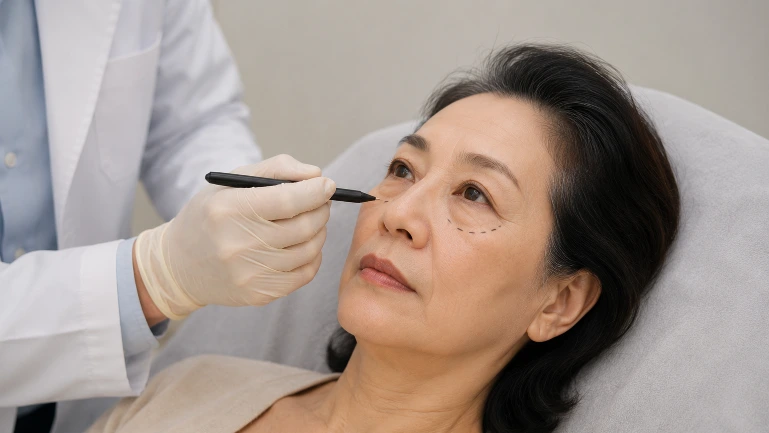 Procedure
Eyebag Removal
Eliminates puffiness and bulging fat pockets. Removes sagging skin and smooths wrinkles. Instantly refreshes tired-looking eyes. Long-lasting, permanent facial rejuvenation. Restores a smooth, youthful under-eye contour. Can improve vision by removing excess skin. Natural-looking results with discreet scarring. Significant boost to self-esteem and appearance.
View procedure
 Procedure
Ptosis Correction
Lifts heavy, drooping upper eyelids. Expands field of vision and eye clarity. Fixes tired, sleepy, or asymmetrical eyes. Stops forehead strain and brow lifting. Reduces deep forehead wrinkles. Corrects head-tilting and neck pain. Permanent solution for weak eye muscles. Boosts self-confidence and alert appearance.
View procedure
 Procedure
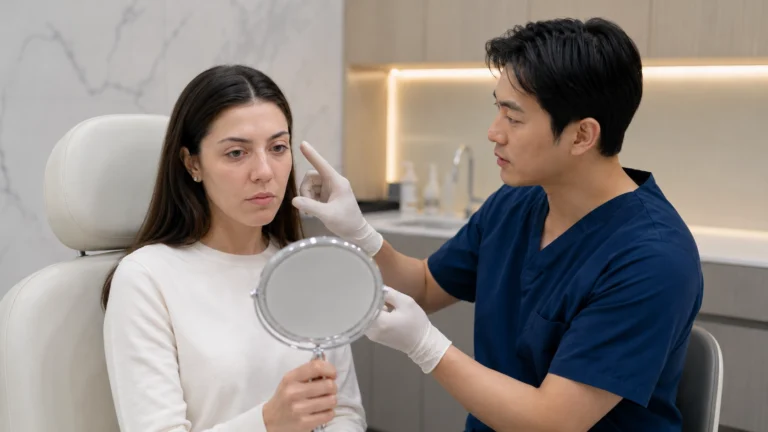
Canthoplasty
Creates a lifted, almond-shaped eye contour. Corrects drooping or sagging outer eye corners. Provides a more “cat-eye” or slanted aesthetic. Reduces a tired, rounded, or aged appearance. Strengthens and supports the lower eyelid structure. Increases horizontal eye width for better proportion. Permanent surgical enhancement of eye shape. Boosts overall facial symmetry and brightness.
View procedure
 Procedure
Revision Double-Eyelid Surgery
Lowers “sausage” folds for a more natural look. Corrects asymmetry and mismatched eyelid heights. Re-establives creases that have loosened or faded. Smooths out deep scars and unnatural indentations. Fixes multiple “triple lines” into one clean fold. Refines the eyelid shape to better match the face. Resolves functional discomfort or eyelid tightness. Restores confidence after a “botched” or failed surgery.
View procedure
 Doctor · Korea
Dr. Park Sang Hyeon
Director / Chief Plastic Surgeon · Semi Plastic Surgery
View doctor
 Doctor · Korea
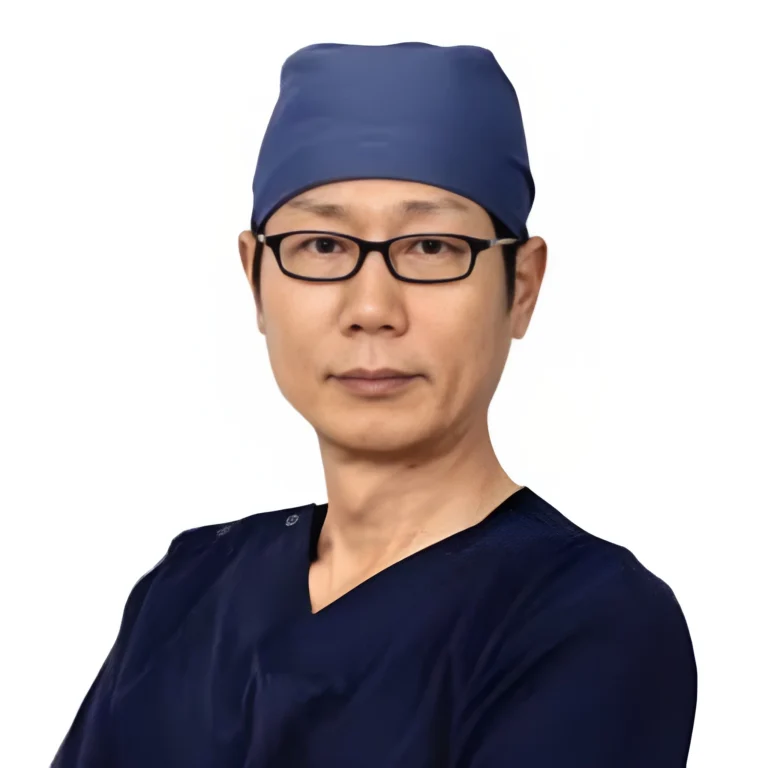
Dr. Sung Jin Mo
Founder / Medical Director · 30+ years · Cheongdam FIRST Plastic Surgery
View doctor
 Doctor · Korea
Dr. Park Seong Hun
Director / Chief Plastic Surgeon · Classy Plastic Surgery
View doctor
 Doctor · Korea
Dr. Dongil Choi
Medical Director · 20+ years · Gangnam Seoyon Plastic Surgery
View doctor
 Hospital · Seoul
Semi Plastic Surgery
Plastic Surgery Aesthetic · BeautsGO verified
View hospital
 Hospital · Seoul
Cheongdam FIRST Plastic Surgery
Plastic Surgery Aesthetic · BeautsGO verified
View hospital
 Hospital · Seoul
Classy Plastic Surgery
Plastic Surgery Aesthetic · BeautsGO verified
View hospital
 Hospital · Seoul
Gangnam Seoyon Plastic Surgery
Plastic Surgery Aesthetic · BeautsGO verified
View hospital
 Hospital · Seoul
Note Plastic Surgery
Plastic Surgery Aesthetic · BeautsGO verified
View hospital
 Hospital · Seoul
Dream Plastic Surgery
Plastic Surgery Aesthetic · BeautsGO verified
View hospital
More from the Journal
All articlesMedical disclaimer: This content is for informational purposes only and is not a substitute for professional medical advice, diagnosis, or treatment. Read our full Medical Disclaimer.