Juvelook vs Rejuran: Which Skin Booster Is Right for Your Skin?
Key takeaways
- Build vs repair is the core difference. Juvelook (PDLLA + HA) stimulates your own collagen to rebuild structure; Rejuran (salmon-derived polynucleotides) repairs and improves skin quality. Neither is better, they do different jobs.
- Choose Juvelook for structure and longevity: firmer, plumper glass skin, smaller pores, fine lines, mild laxity, and rolling acne scars.
- Choose Rejuran for skin quality: dull, dehydrated, or sensitive skin, better elasticity and hydration, under-eyes (dedicated variant), and recovery support after lasers.
- Longevity differs. A Juvelook course is often cited at around 12 to 18 months; Rejuran is usually maintained every few months.
- Both are gradual, not instant. Results build over weeks, with low downtime (mild redness or small bumps for a few days).
- They can be combined. Many plans use them together, Rejuran for quality and Juvelook for structure, sequenced by a qualified provider.
- How to choose: name your main concern. "Tired, dull, dehydrated" points to Rejuran; "firmer, glass skin that lasts" points to Juvelook. A consultation confirms the right fit.
The skin booster boom in Asia
Demand for regenerative skin treatments has grown rapidly across Asia in recent years, and collagen-stimulating injectables are now among the fastest-growing categories in aesthetic medicine.
Juvelook vs Rejuran at a glance
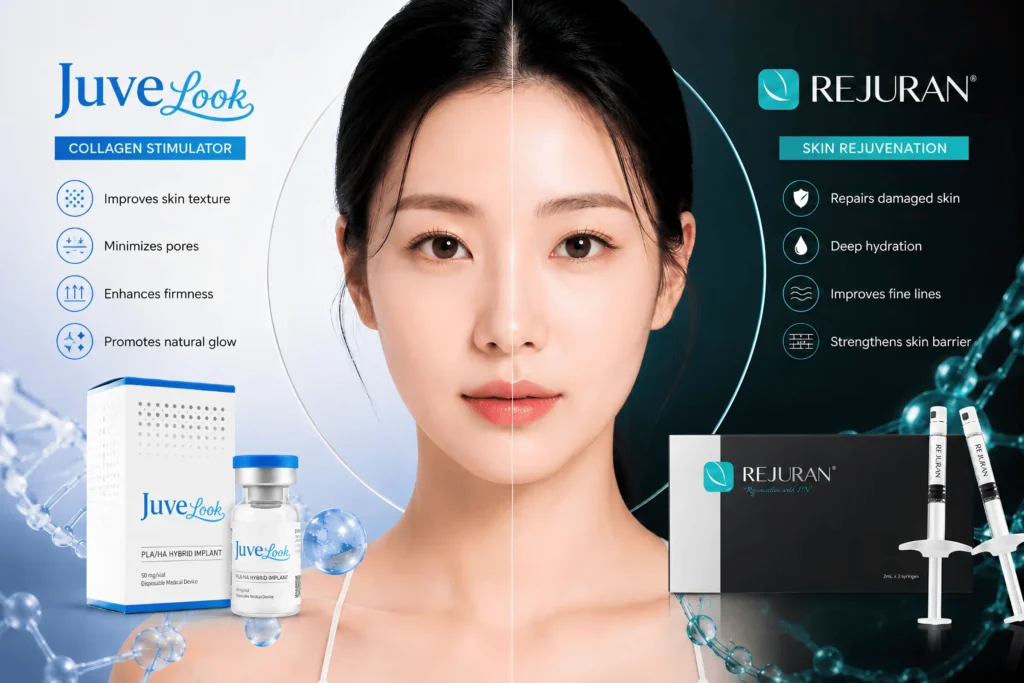
Both Juvelook and Rejuran are popular skin boosters, but they work differently. Juvelook focuses on collagen stimulation and structural improvement, while Rejuran focuses on skin repair, hydration, and overall skin quality.
| Juvelook | Rejuran | |
|---|---|---|
| Active ingredient | PDLLA plus HA | Polynucleotides (salmon DNA) |
| What it mainly does | Stimulates new collagen | Repairs and improves skin quality |
| Best for | Glow, pores, fine lines, mild laxity, acne scars | Dullness, dehydration, elasticity, sensitive skin |
| How results appear | Gradually as collagen builds | Gradually across a course |
| Typical course | About 1 to 3 sessions | About 3 sessions to start |
| Often maintained | Every 12 to 18 months | Every 3 to 6 months |
| Downtime | Low, possible small bumps | Low, possible injection bumps |
What Juvelook is
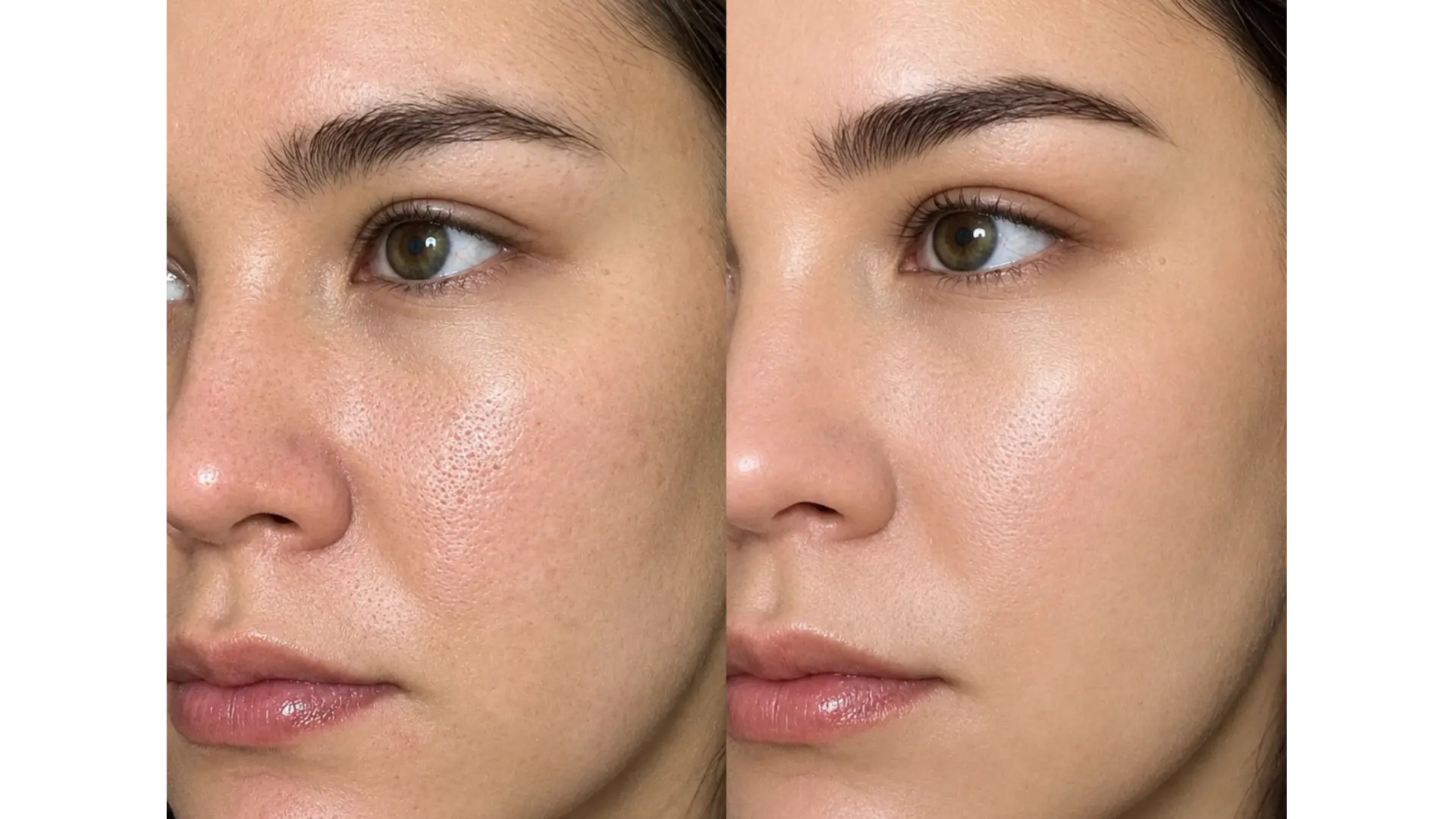
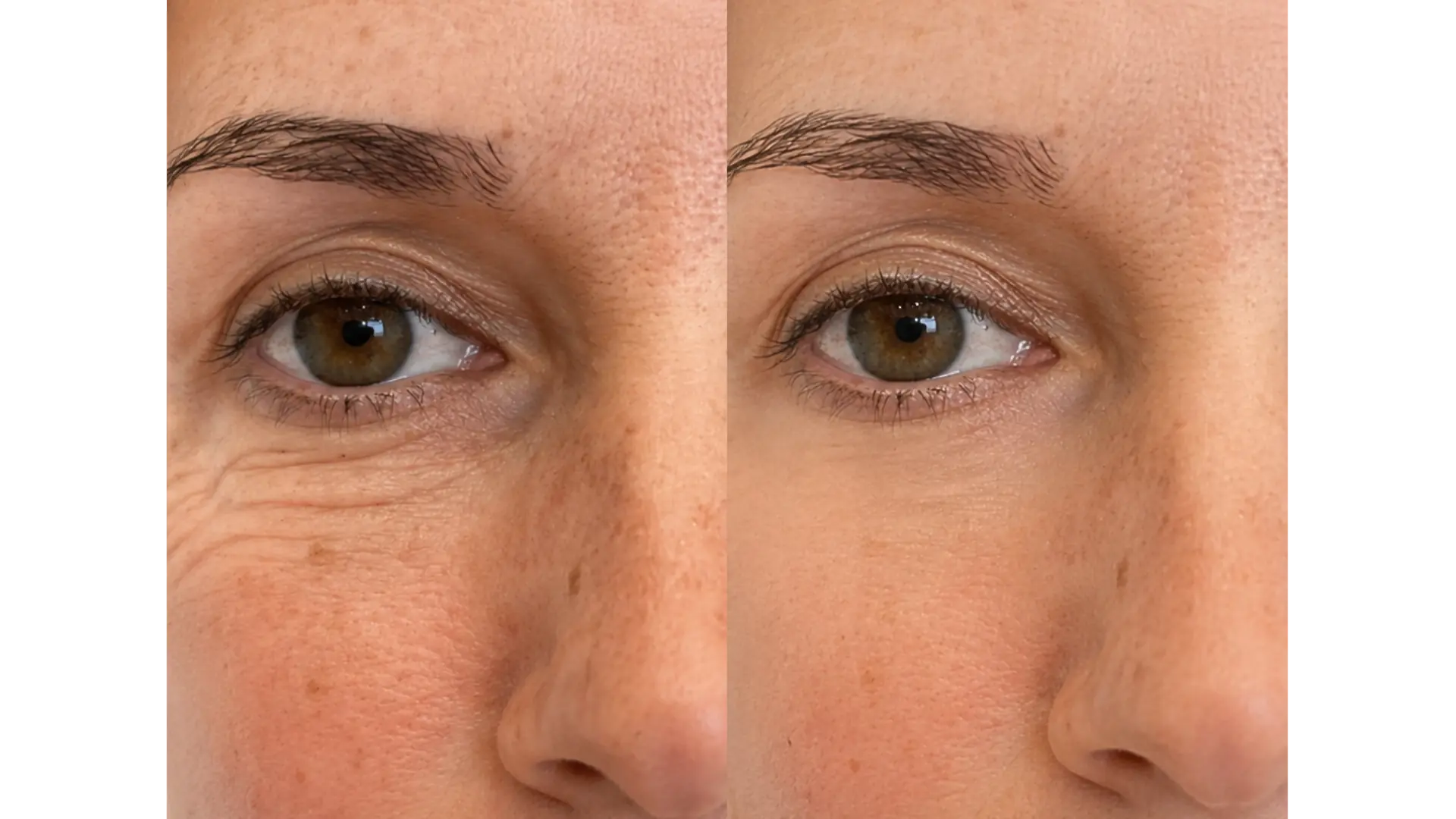
Juvelook is a Korean injectable regenerative skin booster. It combines a small amount of hyaluronic acid for light immediate hydration with PDLLA microspheres that prompt your skin to produce its own collagen over the following weeks. The collagen-building effect is what makes it last, and what makes it a structural treatment rather than a quick top-up. For the full breakdown of how it works, areas treated, and pricing, see our Juvelook treatment guide.
What Rejuran is
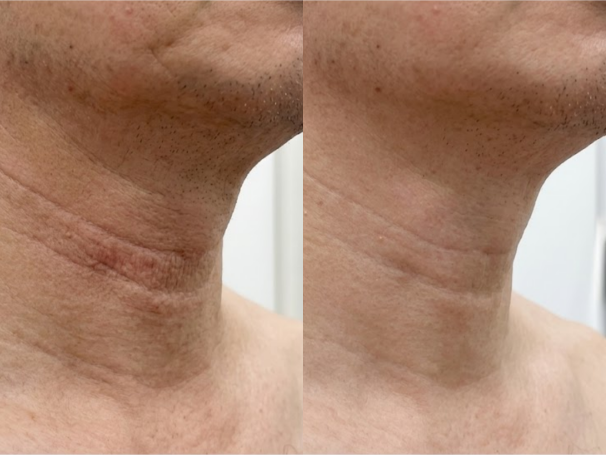
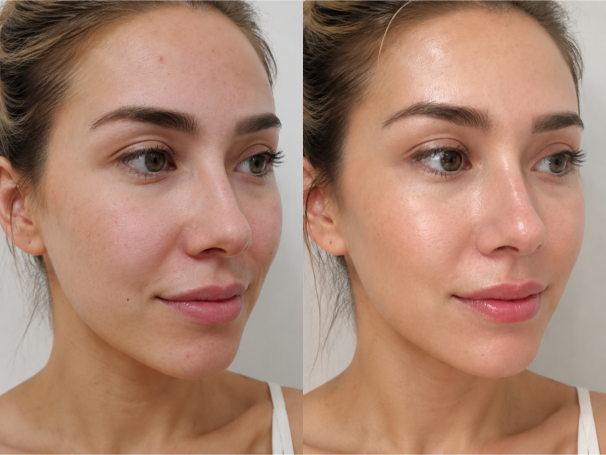
Rejuran is also a Korean injectable, but it works on a different principle. Its active ingredient is polynucleotides, fragments of DNA derived from salmon, which support the skin’s own repair processes: calming inflammation, improving hydration, and gradually firming texture. It is often described as a skin healer rather than a volumizer, and it comes in variants aimed at the face, the under-eye area, and hydration.
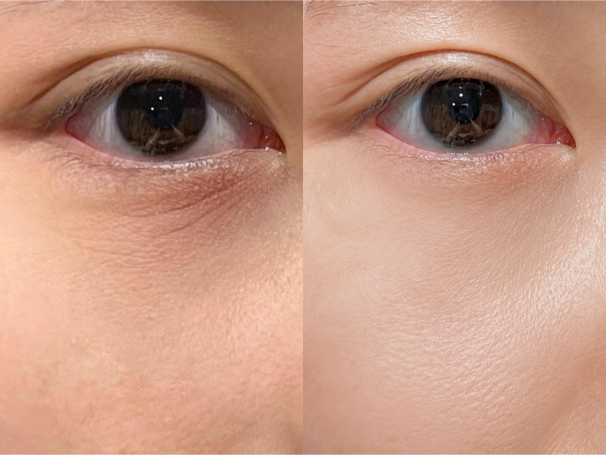
The core difference: build vs repair
This is the distinction that should drive your decision
PDLLA is a collagen biostimulator. You are investing in new collagen, so the payoff arrives over weeks to months and tends to last longest. Choose it for structure: bounce, firmness, refined pores, softened acne scars, glow.
Polynucleotides improve the skin’s condition and resilience rather than adding structure. Choose it when the skin itself is the problem: dull, tired, dehydrated or reactive skin, including skin recovering from lasers.
What each treats best
- Firmer, plumper skin
- Long-lasting collagen stimulation
- Smaller-looking pores
- Improvement in acne scars
- Glass-skin results that keep developing for months
- Better hydration
- Improved skin barrier function
- Recovery support after laser treatments
- Brighter, healthier-looking skin
- Under-eye rejuvenation
Results and how long they last
Both work gradually. Neither is an instant filler. With Juvelook, the hyaluronic acid gives a subtle early freshness, but the real result is the collagen that develops over roughly six to twelve weeks. Because you are growing new collagen, a completed course is commonly cited as lasting around 12 to 18 months before a touch-up. With Rejuran, improvement builds across the initial course of about three sessions, and most plans keep it up with maintenance every few months. It is less about longevity per session and more about consistent skin-quality upkeep.
Downtime and aftercare
Downtime for both is usually short: redness, mild swelling, or small bruises for a few days.
- Juvelook, like other collagen biostimulators, can leave small bumps that settle as the product integrates. Providers often advise gentle massage and avoiding heavy heat or strenuous exercise for a short window.
- Rejuran can leave temporary injection bumps, especially with traditional micro-injection technique. These typically resolve within a day or two.
Specific aftercare depends on your provider and your skin, so follow the instructions you are given at your consultation.
Can you do Juvelook and Rejuran together?
Often, yes, and many treatment plans use them as complements rather than rivals: Rejuran to improve skin quality and resilience, Juvelook to rebuild collagen and structure. Whether to combine them, alternate them, or stagger the sessions is a clinical decision based on your skin, your goals, and your timeline. A qualified provider should map the sequence.
Which treatment gives better results?
Neither is universally better. Each is better for a specific concern, and individual results vary, so a consultation is the most reliable way to decide.
-
For glass skin Better suited: Juvelook
Because collagen stimulation improves skin density and texture, Juvelook tends to produce a stronger, longer-lasting glass-skin effect.
-
For dehydrated skin Better suited: Rejuran
Patients commonly report healthier, more hydrated skin after completing a Rejuran course.
-
For enlarged pores Better suited: Juvelook
Pore appearance is closely related to skin elasticity and collagen support, so stimulating collagen can visibly refine pores over time.
-
For acne scars Better suited: Juvelook
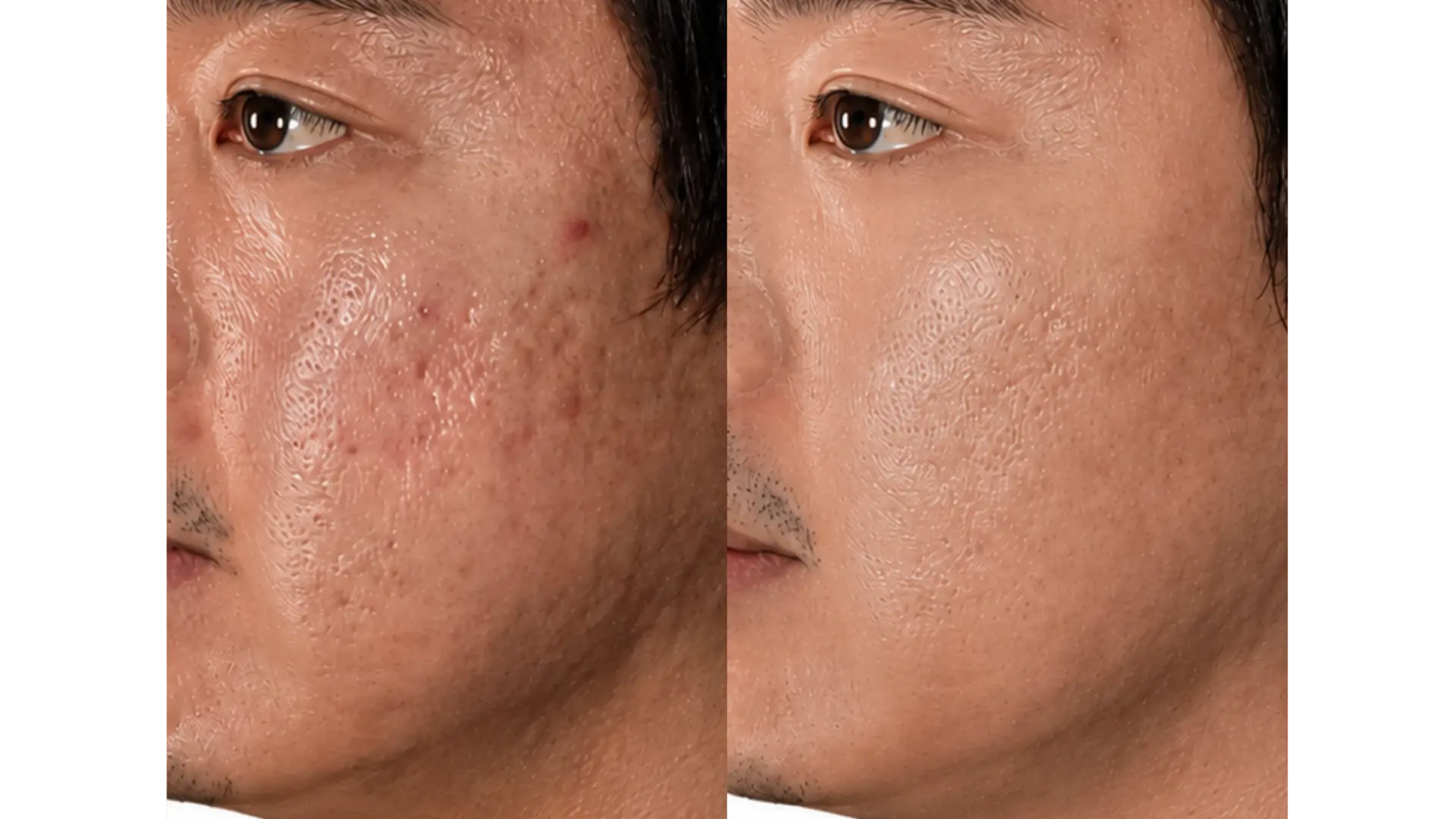
Particularly for rolling scars, mild atrophic scars, and uneven texture. Its collagen-building action makes it a popular regenerative option for acne-scar improvement, though deeper scars may need to be combined with other treatments.
How to choose
- Name your main complaint. “My skin looks tired and dehydrated” points toward Rejuran. “I want firmer, plumper glass skin that lasts” points toward Juvelook.
- Factor in commitment. Juvelook leans toward fewer sessions and longer gaps. Rejuran leans toward a short course plus regular maintenance.
- Get assessed. Skin type, age, and history change the answer. A consultation beats a checklist.
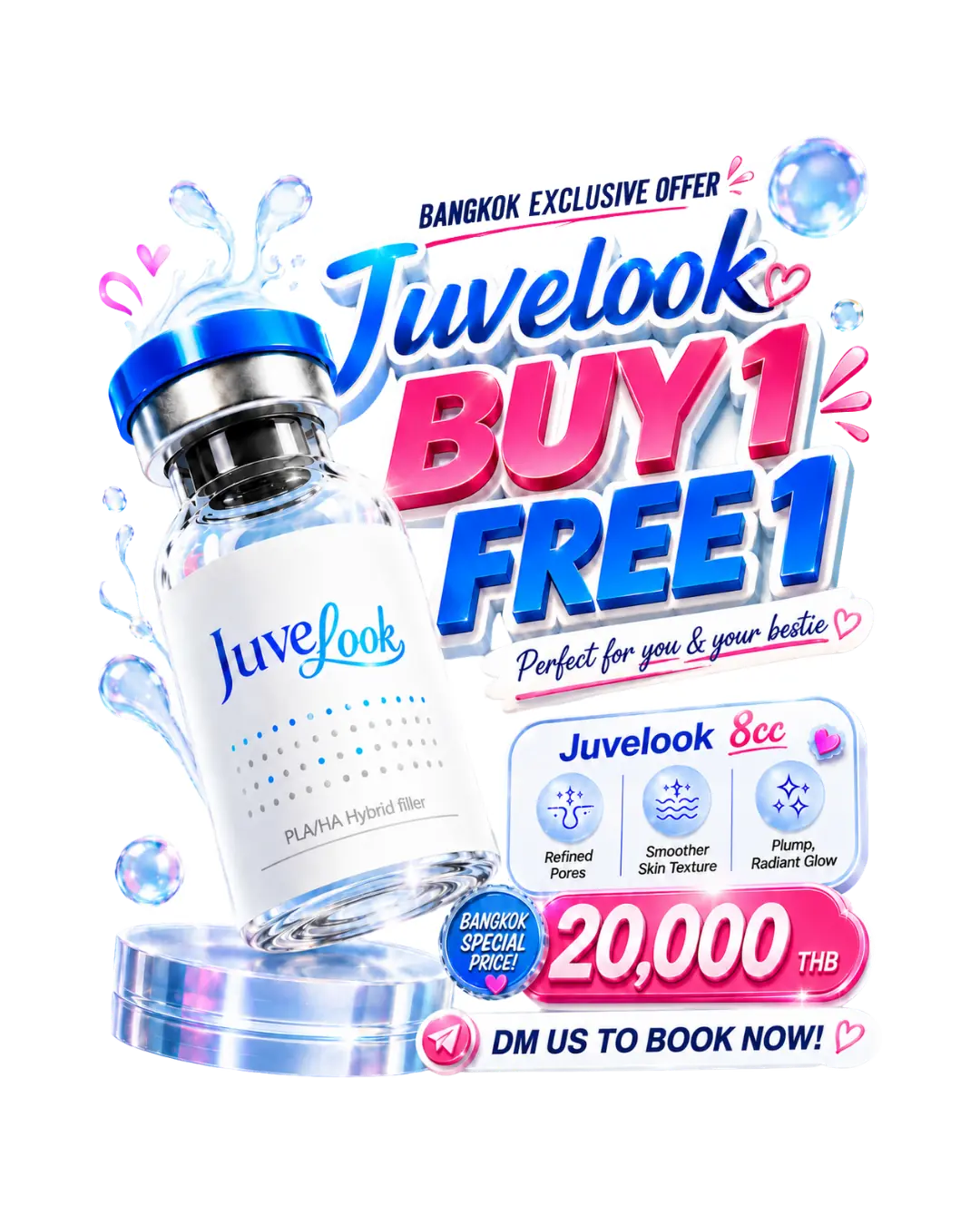
Juvelook Buy 1 Free 1 in Bangkok
Bring a friend or partner. Book one 8cc vial of Juvelook and the second is on us, at our Bangkok partner clinic.