 Hospital
You You We, Go Go Go!
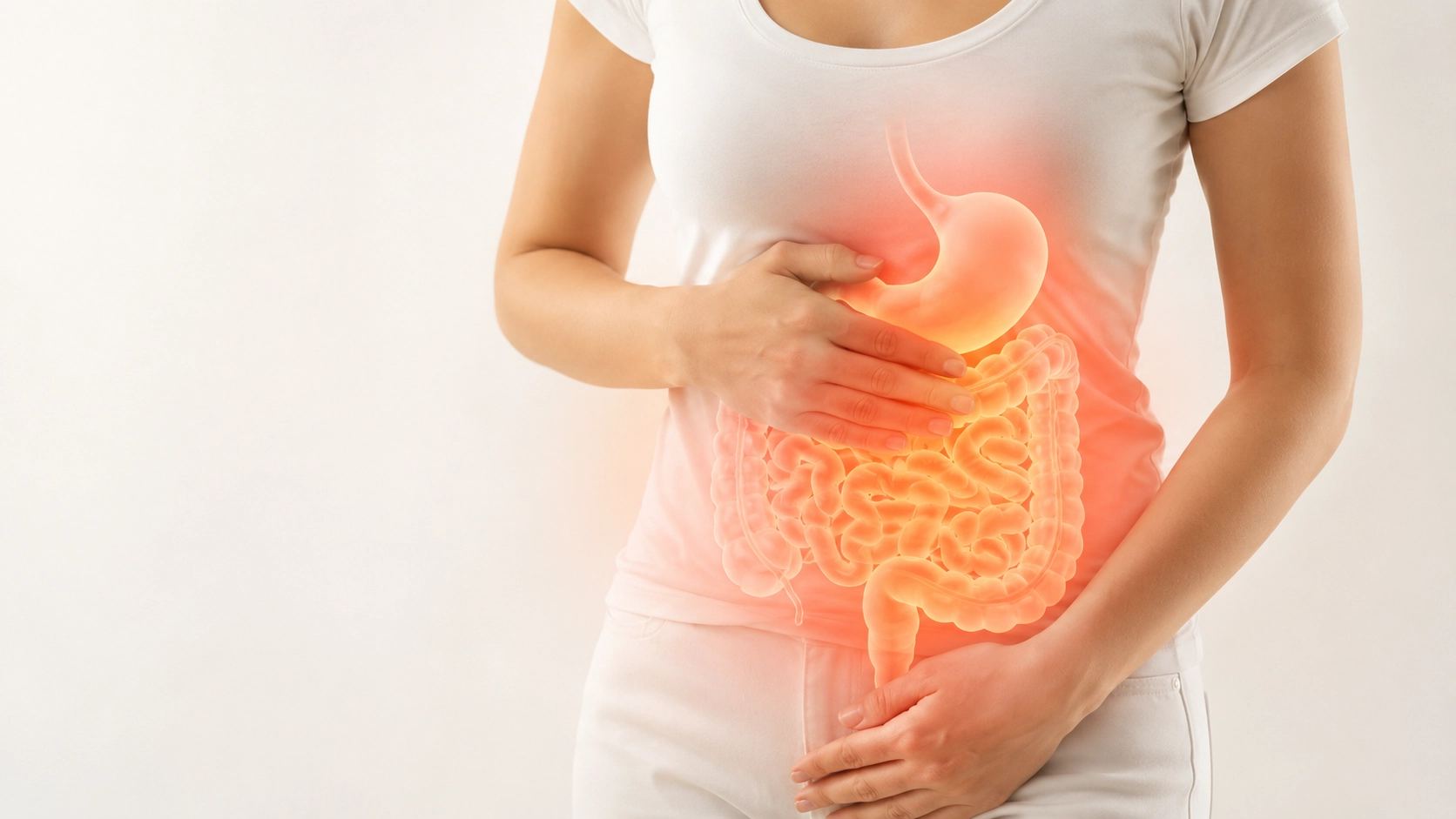
Gastrointestinal (GI)
Also known as:
- Gastroenterology
- Colonoscopy
Considering Gastrointestinal (GI)?
Compare transparent pricing from vetted specialists in minutes.
About Gastrointestinal (GI)
Treated areas:
- Colon
- Gastrointestinal Tract
- Liver
- Stomach
GASTROENTEROLOGY: Digest • Absorb • Thrive
Expert Care for Your Digestive System | Restoring Comfort & Internal Health
Our digestive system is the foundation of your nutrition and energy. When it is out of balance, it affects your whole body. From common issues like acid reflux and bloating to complex conditions involving the liver or colon, our specialists use advanced diagnostic tools and treatments to bring your system back into harmony.
🫑 Main Parts of the GI Tract
- Mouth: Where digestion begins; food is chewed and mixed with saliva.
- Esophagus: The soft tube that safely carries food down into the stomach.
- Stomach: Breaks food down using natural acids and enzymes.
- Small Intestine: The main site where nutrients are absorbed into your bloodstream.
- Large Intestine (Colon): Removes water from waste and forms solid stool.
- Rectum & Anus: Stores waste until it is ready to be passed out of the body.
- Supporting Organs: Liver, Pancreas, and Gallbladder, produce juices and chemicals needed to break down food.
Common GI Condition
| Condition | Simple Explanation |
|---|---|
| Acid Reflux / GERD | Stomach acid flows back up into the food pipe; causes heartburn, chest discomfort, or a sour taste in the mouth. |
| Stomach Inflammation / Ulcers | Irritation, swelling, or open sores on the stomach lining; leads to pain, burning sensation, or sometimes bleeding. |
| IBS (Irritable Bowel Syndrome) | Common functional gut problem causing cramping, bloating, and changes in bowel habits (diarrhea or constipation); does not cause permanent damage. |
| IBD (Inflammatory Bowel Disease) | Ongoing, long-term inflammation of the digestive tract; includes conditions like Crohn’s disease or ulcerative colitis. |
| Constipation / Diarrhea | Constipation: Hard, dry stools that are difficult to pass. Diarrhea: Loose, watery stools passed very frequently. |
| Hemorrhoids | Swollen veins around the anus or lower rectum; causes itching, pain, or bright red bleeding during bowel movements. |
| Gallstones | Hard, stone-like deposits forming inside the gallbladder; may cause sharp pain, especially after eating fatty meals. |
| Liver Disease | Covers conditions like fatty liver, hepatitis, or cirrhosis; affects liver function and can cause damage over time. |
| Colon Health Issues | Polyps: Small growths inside the colon (some may turn into cancer over time). Colon Cancer: Abnormal, uncontrolled cell growth in the colon or rectum. |
🛠️ Common Treatments & Procedures
🔬 Endoscopic Procedures (Minimally Invasive)
We use a thin, flexible tube with a camera to look inside and treat problems without open surgery:
- Remove polyps (preventing cancer).
- Stop internal bleeding.
- Take small tissue samples (biopsy) for testing.
- Widen narrow sections or strictures in the tract.
🩺 Surgical Solutions
Reserved for more serious or complex cases:
- Hernia repair.
- Gallbladder removal.
- Resection of tumors or cancerous sections.
- Treatment for severe inflammatory bowel disease.
💊 Medical Management
- Specialized diets and nutrition plans.
- Medications to reduce acid, control inflammation, or regulate bowel movement.
- Long-term monitoring for chronic conditions or liver health.
What You Will Achieve
✅ Relief from Pain & Discomfort: Eliminate stomach aches, cramping, heartburn, and bloating.
✅ Regular, Healthy Digestion: Restore normal bowel habits and regularity.
✅ Better Nutrient Absorption: Ensure your body gets the vitamins and energy it needs.
✅ Early Disease Prevention: Detect and remove polyps or treat inflammation before they become serious illnesses like cancer or cirrhosis.
✅ Improved Quality of Life: Eat freely, sleep better, and live without the worry of digestive distress.
Ideal Candidate
You should seek a consultation if you experience:
- Frequent stomach pain, cramps, or abdominal discomfort.
- Persistent bloating, gas, or feeling full too quickly.
- Regular heartburn, burning sensation, or regurgitation.
- Nausea, vomiting, or loss of appetite.
- Irregular bowel movements (ongoing constipation or diarrhea).
- Visible blood in your stool or dark, tarry stools.
- Difficulty swallowing or pain when swallowing.
- Unexplained weight loss or fatigue.





Frequently Asked Questions
How often should I have a colonoscopy?
Screening colonoscopy starting at age 45-50 every 5-10 years if normal; individualised for high-risk.
· Next Step
Interested in Gastrointestinal (GI)?
Connect with accredited specialists and get a personalised plan.